There's a story circulating in investor circles right now about a guy who built a 50-unit rental portfolio, watched his margins compress into thin air, and made a hard pivot before the whole thing turned into a second job that paid less than minimum wage.
Most people read that headline and think: scaling problem. Wrong system. Bad markets.
Let me be real with you: the story isn't about scale. It's about what cash flow math is actually telling you when it stops working, and whether you're listening.
What 50 Doors Actually Looks Like at the Margin
Here's what I'm telling investors right now: cash flow isn't the number you calculate before you buy. It's the number you calculate after you've owned the thing for 18 months and replaced the HVAC, had two turnover cycles, and had a plumber out three times for a drain stack that was improperly vented when the house was built.
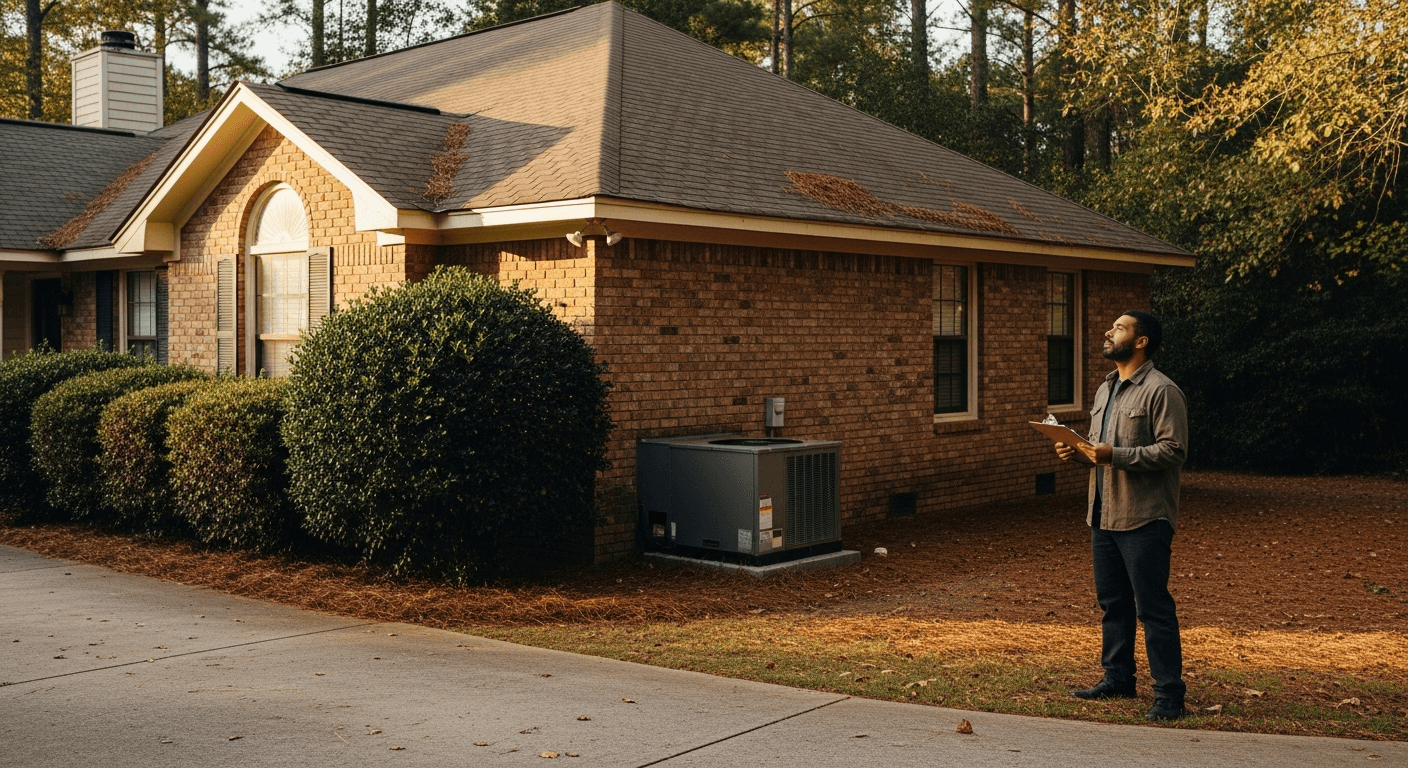
That's not pessimism. That's 20 years across construction disciplines: I've installed those systems, I've watched them fail on a timeline, and I can tell you right now which ones fail fast and which ones give you a 10-year window before they demand attention.
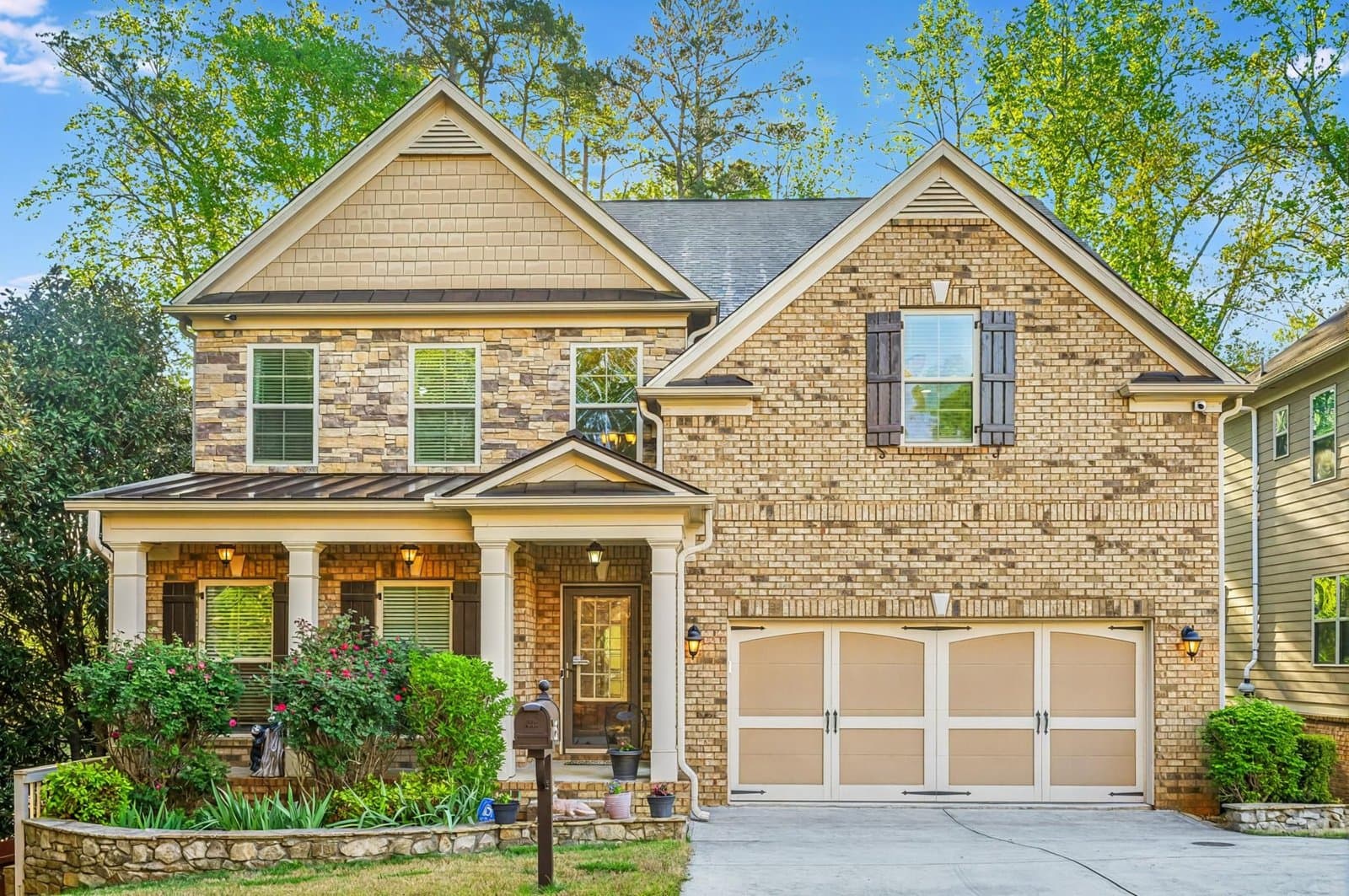
The math at the margin on a 50-unit portfolio in metro Atlanta right now looks something like this for a typical 1990s–2000s vintage SFR in the Southside or Henry County corridor:
- Gross rent: $1,650–$1,850/month depending on zip
- PITI at 7.25% on a 2022–2023 acquisition: $1,200–$1,400/month (assumes 20% down on a $260K purchase)
- CapEx reserve (roof, HVAC, water heater, appliances): $150–$200/month if you're being honest
- Vacancy + management (10% each): $330–$370/month
- Net: -$80 to +$200/month per door, before any surprise
That is not an investment. That is a part-time job with deferred liability.

This is exactly why the investor in the BP piece stopped adding doors. He was scaling into thinner air. The system wasn't broken. The entry price and rate environment had changed the math fundamentally, and he recognized it.
The Pivot That Actually Makes Sense Right Now
Full transparency: the 'make $5,000/month per deal' headline in that piece is doing a lot of work. That number comes from a pivot into a different strategy (likely medium-term rentals, small multifamily with value-add, or commercial hybrid deals), not from the same SFR buy-and-hold playbook at 2023–2024 acquisition prices.
Here's what I see working in metro Atlanta right now for investors who are being honest about the math:
1. Value-add in the $175K–$250K acquisition band, Southside and West corridors Fayetteville, Newnan, Douglasville: properties where the seller is pricing condition, not potential. If you can read building systems on a walkthrough (or bring someone who can), you know within 45 minutes whether the renovation budget is $35K or $95K. That gap is where the deal lives or dies.
2. Small multifamily (2–4 units) where one door covers the note These are harder to find and harder to finance than they were 36 months ago, but they exist. Gwinnett, Clayton, DeKalb: look for the pocket where a duplex or triplex is selling at SFR comp pricing because the listing agent doesn't specialize in multifamily and priced it against the wrong set.
3. REO and distressed inventory cycling back into the market Bank-owned inventory in metro Atlanta is up modestly from 2023 lows. Not 2010-level, not close, but the REO pipeline is moving again in Clayton, Spalding, and parts of Henry. These deals require real condition assessment up front. A 1987 ranch with deferred maintenance looks cheap until you're replacing the panel, the duct system, and the roof in year one.

What the 50-Door Guy Got Right (And What Most Investors Miss)
The real lesson from that pivot story isn't 'stop buying rentals.' It's: know when the strategy has run its course and be willing to change the playbook before the portfolio forces you to.
Most investors I see in this market are running a 2018–2021 strategy in a 2025 rate and price environment. They're still chasing the same SFR buy-and-hold formula that printed money when you could acquire at $180K and lock a 3.5% note. That formula doesn't produce cash flow at $300K and 7.25%. It produces breakeven at best and a slow bleed at worst.
Here's what I'm telling my clients right now: the market isn't broken. The strategy needs to match the environment.
If you're in the planning stage on your first deal or your next deal in metro Atlanta, bring real numbers, bring a realistic renovation scope, and bring someone who knows how to read building systems before you commit to a CapEx budget. That last part is where I can help in a way most agents can't.
I've been the project manager and foreman whose job was to make sure every building system performed as designed. I do the same thing for investors now. The inspection tells you what's broken. The walkthrough with construction eyes tells you what's about to break and what it's going to cost.
Send the address. Beckett Real Estate brings construction-trained deal analysis to every investor walkthrough, because the difference between a cash-flowing deal and a money pit is almost always in the systems behind the walls.
Looking in Fayetteville?
Beckett Real Estate works Fayetteville end-to-end: active listings, off-market opportunities, and the construction-trained walk-through that tells you what the price reflects vs. what it papers over.
Browse Fayetteville listings → · Schedule a tour with Beckett Real Estate
Thinking about a move?
Beckett Real Estate works the whole of Metro Atlanta. Tell me the address or the neighborhood and I will tell you what the house is really like, what the inspection usually finds, and what the number should be.
See investor dealsSearch homes for saleTalk to an agent nowMore articles like this