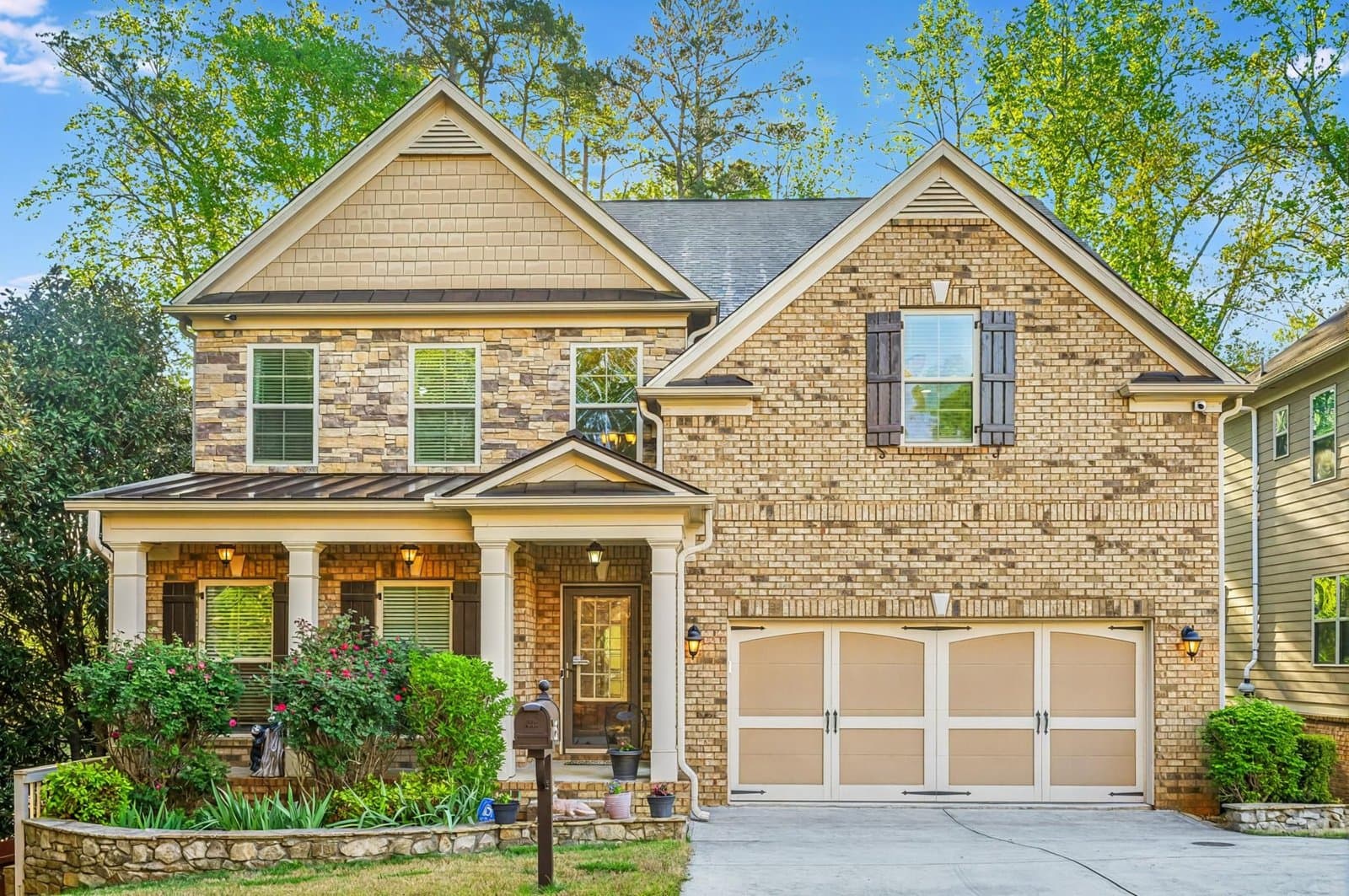

What I Noticed Walking Through a Home on Mayfield Road
A few years back, I walked a listing just off Mayfield Road in Alpharetta — a 2004 craftsman build, solid bones, decent lot. The buyers I was with were relocating from Chicago. They'd done their homework online, but standing in that neighborhood, watching the school bus roll by and clocking the Avalon mixed-use development less than three miles away, something clicked for them. This wasn't just a house. It was a life upgrade.
That's Alpharetta in a nutshell. And if you're asking whether Alpharetta, GA is a good place to live, let me give you the real answer, not the chamber of commerce version, not the doom-scroll version. Just what I know from two decades of building, buying, and selling in Metro Atlanta.
Is Alpharetta, GA a Good Place to Live? The Short Answer
Yes — but it depends on what you're optimizing for. Alpharetta is one of the most well-rounded cities in the entire Metro Atlanta footprint. It sits in northern Fulton County, borders Forsyth County, and has become one of the most sought-after addresses in the Southeast. It's got strong schools, a thriving job market, walkable retail, and a genuine sense of community that a lot of Atlanta suburbs can't pull off.
But it's not perfect. Housing costs are real. Traffic on GA-400 is real. And if you're expecting a sleepy small town, you're going to be surprised by how much this city has grown. Let me break it all down.
Alpharetta's Job Market: Why Tech Workers Keep Landing Here
Alpharetta didn't earn the nickname "Technology City of the South" by accident. The city hosts over 700 technology companies, including major players in cybersecurity, fintech, and cloud infrastructure. NCR Voyix, Fiserv, ADP, and a long list of mid-size tech firms have significant operations here. The Avalon and Alpharetta City Center developments have added corporate campuses and co-working space that attract remote workers and entrepreneurs who want proximity to resources without the chaos of Midtown Atlanta.
For buyers relocating for work, this matters. You're not just buying a home. You're buying a commute. And if your employer is in Alpharetta or the nearby Peachtree Corners tech corridor, you could legitimately work 10 minutes from your front door. That's not marketing copy. That's a real quality-of-life advantage.
For those commuting to Buckhead or Midtown, you're looking at 35-55 minutes depending on the time of day and where exactly you sit on GA-400. Not ideal, but manageable, and the express lanes have helped. The U.S. unemployment rate sits at 4.1% as of July 2026 (FRED UNRATE), and in a market like Alpharetta where white-collar employment is concentrated, that number is likely even tighter locally.
Is Alpharetta, GA Safe? Crime Data and What It Actually Means
This is the question I get most often from out-of-state buyers, especially those moving from markets where crime is a genuine daily concern. So let me be real with you: Alpharetta is one of the safer cities in Metro Atlanta, full stop.
Alpharetta consistently ranks in the top tier of safe Georgia cities by both violent crime and property crime metrics. The Alpharetta Department of Public Safety covers both police and fire services under one roof: a model that allows faster response coordination. Compared to Atlanta proper, Fulton County's northern cities (Alpharetta, Johns Creek, Milton) operate with a different character entirely.
That said, no city is crime-free. Property crime (car break-ins, package theft) happens here like it does everywhere. Neighborhoods closer to GA-400 interchange areas see slightly more activity than the quieter cul-de-sac streets in places like Windward or Wills Park. The key is knowing which pockets you're buying into, and that's where having an agent who actually knows the streets makes a difference.
If safety is your primary filter, Alpharetta clears that bar comfortably. And if you want to compare it to neighboring Milton or Johns Creek, those cities are similarly positioned: all three are among the lowest-crime municipalities in the state.
Alpharetta Schools: What the Numbers Say and What They Don't
The Fulton County School System serves Alpharetta, and the schools here are genuinely strong. Alpharetta High School, Milton High School (which serves parts of the Alpharetta zip code area), and Chattahoochee High School all carry high GreatSchools ratings: typically in the 8-10 range. Webb Bridge Middle School and Manning Oaks Elementary are consistently well-regarded.
But here's what the ratings don't tell you: school culture, extracurricular depth, and teacher retention. I've talked to enough families who've moved here to know that parents are generally satisfied, not just with test scores, but with the overall environment. The PTAs are active. The athletics programs are competitive. The arts programs are funded.
For buyers with kids, the school district is often the deciding factor between Alpharetta and neighboring Forsyth County (Cumming area). Forsyth County Schools are also excellent and often come with lower home prices. It's a legitimate comparison worth making, and I'll help you think through it if you're in that position.
Alpharetta Neighborhoods: Where People Actually Want to Live
Windward
One of Alpharetta's most established master-planned communities. Golf course, lake, tennis, swim: the full package. Homes here range from the mid-$500s to well over $1.5M depending on the lot and build. The community is mature, the trees are real, and the infrastructure is solid. I've walked dozens of homes in Windward and the construction quality from the late 80s through early 2000s is generally good, though you'll want to pay attention to HVAC systems, rooflines, and any additions that were permitted versus unpermitted.
Avalon and Downtown Alpharetta
If you want walkability, this is your zone. Avalon is a mixed-use development that includes retail, restaurants, a hotel, and a growing number of townhomes and condos. It's the closest thing Alpharetta has to an urban lifestyle without being urban. Downtown Alpharetta itself has a genuine main street feel: local restaurants, green space, and community events that actually draw people out.
Wills Park Area
Older homes, more character, closer to the city center. You'll find ranches and traditional two-stories from the 80s and 90s that are priced more accessibly than newer construction. For buyers who want to get into Alpharetta without stretching the budget to its limit, this area deserves a serious look. Bones are usually good. I've walked enough of these to know what to look for.
Webb Bridge and Kimball Bridge Corridors
Newer construction, larger lots in some cases, and proximity to top-rated schools. This is where a lot of growing families land. The trade-off is that some of these subdivisions feel more cookie-cutter, but the build quality from the major national builders in the 2010s is generally acceptable, though I'll always tell you to get an independent inspection, because I've seen things that passed builder walk-throughs that shouldn't have.
Is Alpharetta a Good Place to Retire?
More retirees are choosing Alpharetta than you might expect, and the reasons make sense. The healthcare infrastructure in North Fulton is strong: Wellstar North Fulton Hospital is a Level II trauma center with a full range of services. The area is walkable enough for those who want to reduce car dependency, especially near Avalon and downtown. And the restaurant and arts scene has matured to the point where retirement doesn't feel like exile to the suburbs.
The honest caveat: if you're on a fixed income, Alpharetta's cost of living is on the higher end for Georgia. Property taxes in Fulton County are not the lowest in Metro Atlanta. That distinction goes to counties like Cherokee or Paulding. If budget is the primary driver for retirement, you might look at neighboring Cumming in Forsyth County or even Canton in Cherokee County, where your dollar stretches further without sacrificing too much of the lifestyle.
But if you've got the financial flexibility and you want a well-maintained, safe, amenity-rich city with good healthcare nearby, Alpharetta is a legitimate retirement destination.
Alpharetta Real Estate Market: What Buyers Are Actually Facing
Let me give you the real picture without spinning it. The S&P CoreLogic Case-Shiller Atlanta Home Price Index sat at 249.84 (seasonally adjusted, January 2000 = 100) as of May 2026 (FRED ATXRSA). For context, the national index is at 335.1 for the same period (FRED CSUSHPINSA), which tells you Atlanta as a whole is still priced more accessibly than many major metros, even if it doesn't feel that way when you're making offers.
Alpharetta specifically trends above the Atlanta metro average. You're looking at median home prices in the $600,000-$750,000 range for single-family homes depending on the neighborhood, with new construction pushing higher. Townhomes and condos near Avalon offer entry points in the $400,000-$550,000 range for buyers who want the location without the square footage.
The 30-year fixed mortgage rate is currently averaging 6.65% as of August 20, 2026, per Freddie Mac's Primary Mortgage Market Survey via FRED (FRED MORTGAGE30US). That's the market rate, not a quote, not a guarantee, just the reality you're navigating. At that rate, on a $650,000 home with 20% down, you're looking at a meaningful monthly commitment. Which means your pre-approval needs to be tight and your offer strategy needs to be sharper than average.
Nationally, new single-family home sales are running at a seasonally adjusted annual rate of 607,000 units as of July 2026 (FRED HSN1F), and housing starts are at 1,239,000 units annualized (FRED HOUST). New construction is active in Alpharetta and the surrounding North Fulton/Forsyth area, which gives buyers some leverage, particularly with builders who are managing inventory and incentives carefully.
Alpharetta vs. The Competition: How It Stacks Up Against Other North Atlanta Suburbs
Alpharetta vs. Johns Creek
Johns Creek is immediately to the east and shares a similar demographic profile — high income, strong schools, low crime. The key differences: Johns Creek has less retail walkability and a slightly more suburban feel. Alpharetta wins on amenity access and job proximity. Johns Creek sometimes wins on price per square foot.
Alpharetta vs. Milton
Milton is Alpharetta's upscale neighbor to the north and west. Larger lots, more equestrian properties, a deliberately rural character that the city has worked hard to preserve. If you want acreage and privacy, Milton is worth a serious look. If you want walkability and urban amenities, Alpharetta is the move.
Alpharetta vs. Cumming (Forsyth County)
This is the comparison that comes up constantly with families watching their budget. Forsyth County offers lower property taxes, strong schools, and newer construction at lower price points. The trade-off is commute distance to Alpharetta's job centers and a slightly less developed retail/restaurant scene, though Cumming has grown dramatically in recent years with the Collection at Forsyth and surrounding development.
Frequently Asked Questions About Living in Alpharetta, GA
Is Alpharetta, GA a good place to live?
Yes, for most buyers Alpharetta is an excellent place to live. It offers strong schools, a robust tech-driven job market, low crime relative to Metro Atlanta, and a genuine mix of walkable retail and suburban comfort. The trade-off is cost: home prices and property taxes are above the Metro Atlanta average. If your budget supports it, Alpharetta delivers on most of what people move to the suburbs for.
Is Alpharetta, GA safe?
Alpharetta is consistently ranked among the safest cities in Georgia. Violent crime rates are low, and the city's combined public safety department maintains strong response times. Property crime exists (as it does everywhere), but the overall safety profile is strong compared to both Atlanta proper and national averages.
Is Alpharetta a good place to retire?
It can be, particularly for retirees who want access to quality healthcare, walkable amenities, and a safe, well-maintained environment. Wellstar North Fulton Hospital provides strong local healthcare. The cost of living is higher than other Georgia retirement destinations, so fixed-income retirees may find better value in Cherokee or Forsyth County. But for those with flexibility, Alpharetta is a strong option.
What are the best neighborhoods in Alpharetta?
Windward is the most established master-planned community with strong amenities. The Avalon and Downtown Alpharetta area offers the best walkability. The Webb Bridge and Kimball Bridge corridors are popular with families for school access. Wills Park offers more accessible price points with character. The right neighborhood depends on your priorities: budget, lifestyle, and school zone matter most.
How does Alpharetta compare to other North Atlanta suburbs?
Alpharetta sits at the top of the North Atlanta suburb hierarchy in terms of amenities and job access. Milton offers more space and privacy. Johns Creek is comparable in safety and schools but less walkable. Cumming/Forsyth County offers better value per square foot but with more commute distance. All are legitimate options. The right choice depends on your specific priorities.
The Bottom Line on Alpharetta
Here's where I land after 20-plus years of watching Metro Atlanta evolve: Alpharetta is one of the most consistently strong markets in the region. It's not a bubble play. It's not undiscovered anymore. Those days are gone. It's a proven, mature suburb that keeps attracting the kind of residents and employers that sustain long-term value.
If you're asking whether Alpharetta, GA is a good place to live, the answer is yes, with eyes open about cost and traffic. If you're asking whether it's a good place to buy, the answer is also yes, if you go in with the right strategy and the right representation.
I've built homes in this market. I've negotiated deals on streets most agents have never walked. I know the difference between a house that looks good on photos and one that's actually built right. That's not a sales pitch. It's just what 20 years of doing this looks like.
If you want to talk through whether Alpharetta makes sense for your situation (budget, timeline, lifestyle), I'm around. Reach out through becketthomes.org and let's have a real conversation. No pressure, no script. Just straight answers from someone who knows this market cold.
Thinking about a move in Alpharetta?
Beckett Real Estate works the whole of Metro Atlanta. Tell me the address or the neighborhood and I will tell you what the house is really like, what the inspection usually finds, and what the number should be.
See homes for sale in AlpharettaAbout AlpharettaTalk to an agent nowMore articles like this