
The Walkthrough That Changed How I Think About Lenders
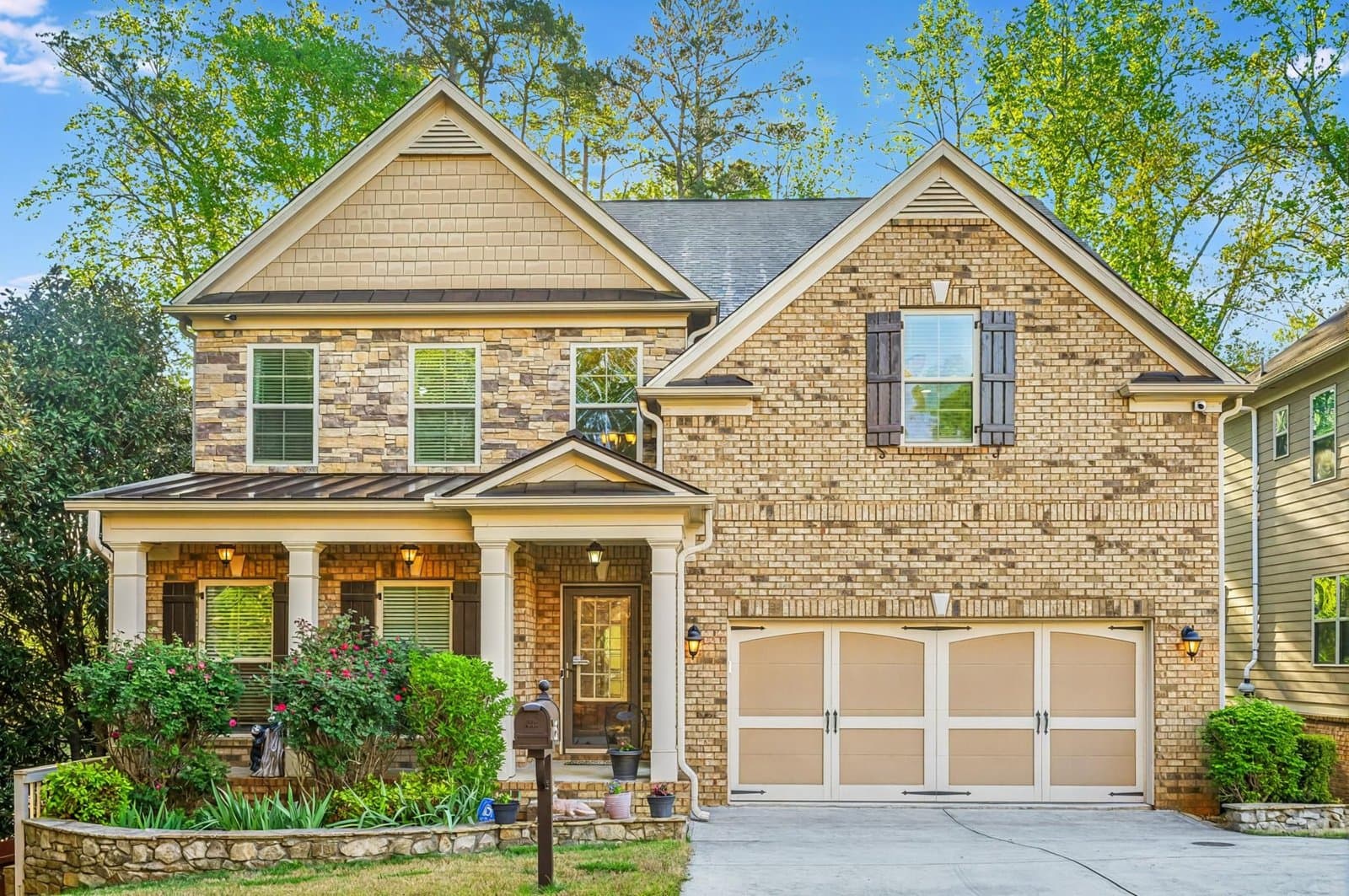
I was on a walkthrough in Smyrna a few years back — nice split-level off Atlanta Road, solid bones, good neighborhood. Buyers were sharp, motivated, had their pre-approval letter in hand. Everything was lined up. We got under contract, inspection went fine, and then about 12 days before closing, their lender went quiet. Not slow. Quiet. Emails bouncing. Phone calls going to voicemail. Turned out it was an online lender they'd found through a rate comparison site — cheapest rate they could find, no local presence, no accountability.
We almost lost the deal. Sellers were furious. The buyers were devastated. We scrambled, found a local lender in Marietta who pulled off a minor miracle and closed them in 10 days. But that experience cost those buyers sleep, stress, and nearly their dream home — all because they picked the wrong lender.
That's the story I keep coming back to when buyers ask me about mortgages. The rate matters. But it's not the only thing that matters. Not even close.
Let me walk you through what every Metro Atlanta buyer needs to understand about mortgage lenders in Georgia before they ever make an offer.
Why the Georgia Mortgage Market Is Its Own Animal
Georgia isn't a one-size-fits-all mortgage market. The Atlanta metro area — Fulton, Cobb, Gwinnett, DeKalb, Cherokee, Forsyth, Henry, Fayette counties and beyond — has its own pricing dynamics, its own appraisal challenges, and its own set of programs that don't always apply in other states.
The S&P CoreLogic Case-Shiller Atlanta Home Price Index came in at 249.84 as of May 2026 (source: FRED ATXRSA), compared to the national index at 335.1 (source: FRED CSUSHPINSA, May 2026). That gap tells you something important: Atlanta is still relatively affordable compared to the national composite, but prices here have climbed hard over the past decade. What that means for financing is that appraisals can be tricky in fast-moving pockets — neighborhoods like Kirkwood, Grant Park, Decatur, and East Cobb where prices have moved faster than comparable sales can keep up.
A lender who doesn't know the Atlanta market can get caught flat-footed when an appraisal comes in low. A good local lender has relationships with appraisers who know these submarkets and can help navigate those conversations.
Understanding Current Mortgage Rates in Georgia
As of August 13, 2026, the 30-year fixed mortgage average in the U.S. sits at 6.67% according to Freddie Mac's Primary Mortgage Market Survey via FRED (FRED MORTGAGE30US). That's the national benchmark — your actual rate will depend on your credit score, down payment, loan type, debt-to-income ratio, and yes, which lender you choose.
I'm not going to tell you that's a great rate or a terrible one. Rates have a context, and context is everything. What I will tell you is that a 0.25% difference in rate on a $450,000 loan — a pretty typical price point in Woodstock, Kennesaw, or Peachtree City right now — translates to roughly $65-$70 per month. Over 30 years, that's real money. So yes, shop your rate. Just don't shop only your rate.
And never mistake a rate you see advertised online for a rate that's available to you. Those teaser rates assume perfect credit, 20% down, and a loan structure that may not match your situation at all.
Types of Mortgage Lenders in Georgia: Know Who You're Dealing With
Not all lenders are built the same. Here's the honest breakdown of what you'll encounter in the Metro Atlanta market:
Local and Regional Banks
Banks like Ameris Bank, Renasant, and Queensborough National Bank have Georgia roots and local underwriting knowledge. They tend to move at a measured pace but often offer portfolio loan products that national lenders don't — useful if you're self-employed, buying a non-warrantable condo in Midtown, or have income that doesn't fit neatly into a W-2 box.
Mortgage Brokers
A broker doesn't lend their own money — they shop your loan across multiple wholesale lenders to find the best terms. This can be a serious advantage in a rate environment like this one. Good brokers in the Atlanta area have access to 30, 40, sometimes 50+ lenders. The key word is good. A mediocre broker costs you more than they save you.
Direct Mortgage Lenders and Correspondent Lenders
Companies like Movement Mortgage, Angel Oak, and Silverton Mortgage are well-established in Georgia and operate as direct lenders — they underwrite and fund the loan themselves, then often sell it on the secondary market. Faster decisions, more control over the process. These tend to be strong options for buyers in competitive situations where speed matters.
Online and National Lenders
Rocket Mortgage, Better, LoanDepot — you know the names. They can offer competitive rates and a slick digital experience. But as I told you in that Smyrna story, when things get complicated, you want a human being who answers the phone. In a market where sellers in Alpharetta or Milton are choosing between three offers, a pre-approval from a lender nobody's heard of can actually hurt your offer.
Listing agents talk to each other. Sellers ask questions. A letter from a respected local lender carries weight that a national brand sometimes doesn't.
Georgia-Specific Loan Programs You Should Know About
This is where a lot of buyers leave money on the table, and it drives me crazy. Georgia has programs that can put real cash back in your pocket, and most buyers never hear about them because their lender doesn't bring them up.
Georgia Dream Homeownership Program
Administered by the Georgia Department of Community Affairs (DCA), Georgia Dream offers down payment assistance of up to $10,000 for eligible buyers — and up to $12,500 if you're a public protector, educator, healthcare provider, or active military. Income limits apply and vary by county, but in many parts of Metro Atlanta, buyers earning up to $80,000-$100,000 household income can still qualify. This is a genuine program with real money attached. Ask your lender about it on day one.
FHA Loans in Georgia
FHA loans remain one of the most used products for first-time buyers in Metro Atlanta, particularly in areas like Morrow, Conyers, Douglasville, and Stone Mountain where price points are more accessible. FHA allows down payments as low as 3.5% with a 580+ credit score. The trade-off is mortgage insurance — both upfront and monthly — so run the numbers carefully against a conventional loan with PMI.
VA Loans
If you've served, use this benefit. Zero down, no PMI, competitive rates. The Metro Atlanta area has a significant veteran population, and VA loans are well-understood by most Georgia lenders. Fort Gillem's redevelopment and the presence of Dobbins Air Reserve Base means there's a real pipeline of VA-eligible buyers in Cobb and Clayton counties. Don't leave this on the table.
USDA Rural Development Loans
More applicable than people think. Parts of Dawson County, Pickens County, Heard County, and even some areas on the outer edges of Cherokee and Forsyth counties qualify for USDA financing — zero down, below-market rates, income limits apply. If you're willing to live 45-60 minutes from the perimeter, this program is worth a serious look.
Conventional 97 and HomeReady/Home Possible
Fannie Mae and Freddie Mac both offer low-down-payment conventional options — 3% down — with better long-term economics than FHA in many cases. HomeReady and Home Possible have income limits but are designed specifically for moderate-income buyers in higher-cost areas. A good lender will model both FHA and conventional side by side so you can see the real monthly difference.
What to Look for When Comparing Mortgage Lenders in Georgia
Here's my actual checklist. Not the stuff you read in a generic financial blog — what I've learned watching deals close and fall apart over 20 years:
- Responsiveness. Text your potential lender at 7pm on a Tuesday and see what happens. In a competitive Atlanta market, you may need a pre-approval letter updated over a weekend. If they're hard to reach before you're a client, imagine after.
- Local knowledge. Ask them about appraisal gaps in Decatur. Ask them what they know about condo financing restrictions in Buckhead high-rises. If they go quiet, they don't know the market.
- Clear Loan Estimate. Federal law requires a Loan Estimate within three business days of application. Read every line. Compare APR, not just rate. Look at origination fees, third-party fees, and prepaid items.
- Underwriting timeline. Ask specifically: where does underwriting happen, and what's the average time to clear conditions right now? A lender who can commit to 21-day closings is a different animal than one who needs 45.
- Experience with your loan type. Not every lender handles VA, USDA, or jumbo loans with equal competence. Match the lender to the loan.
- Seller credibility. In a multiple-offer situation in Roswell or Johns Creek, your lender's reputation with listing agents is a real competitive factor. Ask your real estate agent who they trust.
The Pre-Approval Process in Georgia: Do It Right the First Time
Pre-qualification and pre-approval are not the same thing. Pre-qualification is a phone call. Pre-approval is a full application — credit pulled, income documented, assets verified. In the Metro Atlanta market, submitting an offer with only a pre-qualification letter is like showing up to a gunfight with a pocket knife.
Here's what you'll need to gather before you apply:
- Two years of W-2s or tax returns (if self-employed, expect two years of business and personal returns)
- 30 days of pay stubs
- Two to three months of bank statements — all pages, all accounts
- Government-issued ID
- Social Security number for credit pull
- Documentation of any large deposits or gifts in the last 60-90 days
Self-employed buyers — and there are a lot of you in Atlanta's entrepreneurial ecosystem — need to be especially prepared. Lenders use your net income after deductions, not your gross revenue. If you've been aggressive about writing things off, that can compress your qualifying income significantly. Talk to a lender and your CPA together before you start shopping.
Common Mistakes Metro Atlanta Buyers Make With Mortgage Lenders
I've seen these kill deals. Learn from other people's pain:
- Changing jobs mid-transaction. Even a promotion to a different employer can pause or kill a loan if it happens after you're under contract. Talk to your lender before any employment change.
- Opening new credit accounts. A new car loan or a furniture store credit card the week before closing has derailed more transactions than I can count. Freeze everything until you have keys in hand.
- Moving money around without documentation. If you're moving your down payment from a brokerage account or getting a gift from family, your lender needs a paper trail. Do this early and communicate it clearly.
- Choosing a lender solely on rate. See: the Smyrna story above.
- Not locking your rate at the right time. Rate locks typically run 30-60 days. In a volatile rate environment, locking too early or too late costs money. Your lender should be advising you on this strategy.
How Your Real Estate Agent and Lender Should Work Together
Here's something most buyers don't realize: the relationship between your agent and your lender is a working partnership, not just a referral chain. When I'm representing a buyer in Cumming or Peachtree City, I'm in regular contact with their lender. We're coordinating on timelines, flagging potential appraisal issues, and making sure the contract terms match what the loan can support.
An agent who doesn't know your lender and a lender who doesn't know your agent is a recipe for miscommunication at the worst possible moment. I've worked with enough lenders across Metro Atlanta to know who delivers and who makes excuses. When my clients ask for recommendations, I give them names I'd stake my own transaction on — because in a sense, I am.
That said, you're never obligated to use a lender your agent recommends. Shop around. Get two or three Loan Estimates. Just make sure whoever you choose can perform when it counts.
Frequently Asked Questions: Mortgage Lenders in Georgia
What credit score do I need to get a mortgage in Georgia?
It depends on the loan type. FHA loans allow scores as low as 580 with 3.5% down. Conventional loans typically want 620 minimum, though you'll get meaningfully better pricing at 740 and above. VA loans don't have a hard minimum set by the VA, but most lenders want at least 620. The higher your score, the better your rate and terms — period.
How much do I need for a down payment in Georgia?
Less than most people think. VA and USDA loans offer zero-down options for eligible buyers. FHA requires 3.5% down. Conventional loans go as low as 3% through HomeReady and Home Possible programs. The Georgia Dream program can provide up to $10,000-$12,500 in down payment assistance for qualifying buyers. Twenty percent down is not a requirement. It's just the threshold where you avoid private mortgage insurance on conventional loans.
How long does mortgage approval take in Georgia?
A solid local lender can get you to clear-to-close in 21-30 days from a ratified contract. Some can do it faster. Online lenders and understaffed shops can take 45+ days, which in a competitive Metro Atlanta market can cost you the deal. Ask any lender you're considering what their average time to clear underwriting conditions is right now, not what it says on their website.
Should I use a local Georgia lender or a national lender?
In most Metro Atlanta purchase scenarios, a local or regional lender has real advantages: faster communication, local market knowledge, relationships with appraisers and title companies, and credibility with listing agents. National online lenders can compete on rate but often struggle with complex files, tight timelines, and situations that require a human judgment call. For a refinance with no time pressure, a national lender might make sense. For a purchase in a competitive market, local usually wins.
What is the Georgia Dream program and who qualifies?
Georgia Dream is a down payment assistance program run by the Georgia Department of Community Affairs. It offers $10,000 in assistance (up to $12,500 for educators, healthcare workers, public safety employees, and military) as a second mortgage with no interest and no monthly payments. It's repaid when you sell, refinance, or pay off the first mortgage. Income and purchase price limits apply and vary by county. It must be used with a Georgia Dream first mortgage. Ask your lender specifically about this program if you're a first-time buyer or haven't owned a home in three years.
The Bottom Line on Mortgage Lenders in Georgia
The mortgage market in Metro Atlanta rewards buyers who are prepared and informed. The 30-year fixed rate benchmark is sitting at 6.67% as of August 13, 2026 (Freddie Mac PMMS via FRED), not historically low, but not historically high either. Atlanta home prices, while up significantly, are still running well below the national Case-Shiller composite. There's opportunity here for buyers who approach this strategically.
Your lender is not a commodity. They are a critical part of your transaction team. Choose someone who knows Georgia, knows the Metro Atlanta market, communicates clearly, and has a track record of closing on time. Then make sure your real estate agent and your lender are actually talking to each other.
Do those two things, and you'll be in better shape than 80% of the buyers in this market.
If you want to talk through the lending landscape before you start shopping (or if you're already under contract and something feels off), I'm around. I've been through enough transactions across Cobb, Fulton, Cherokee, Gwinnett, and Forsyth counties to help you sort the signal from the noise. Reach out to Evan Beckett at becketthomes.org and let's have a real conversation. No pressure, no pitch: just straight information from someone who's been on both sides of the construction and the closing table.
Thinking about a move?
Beckett Real Estate works the whole of Metro Atlanta. Tell me the address or the neighborhood and I will tell you what the house is really like, what the inspection usually finds, and what the number should be.
Check what you qualify forSearch homes for saleTalk to an agent nowMore articles like this