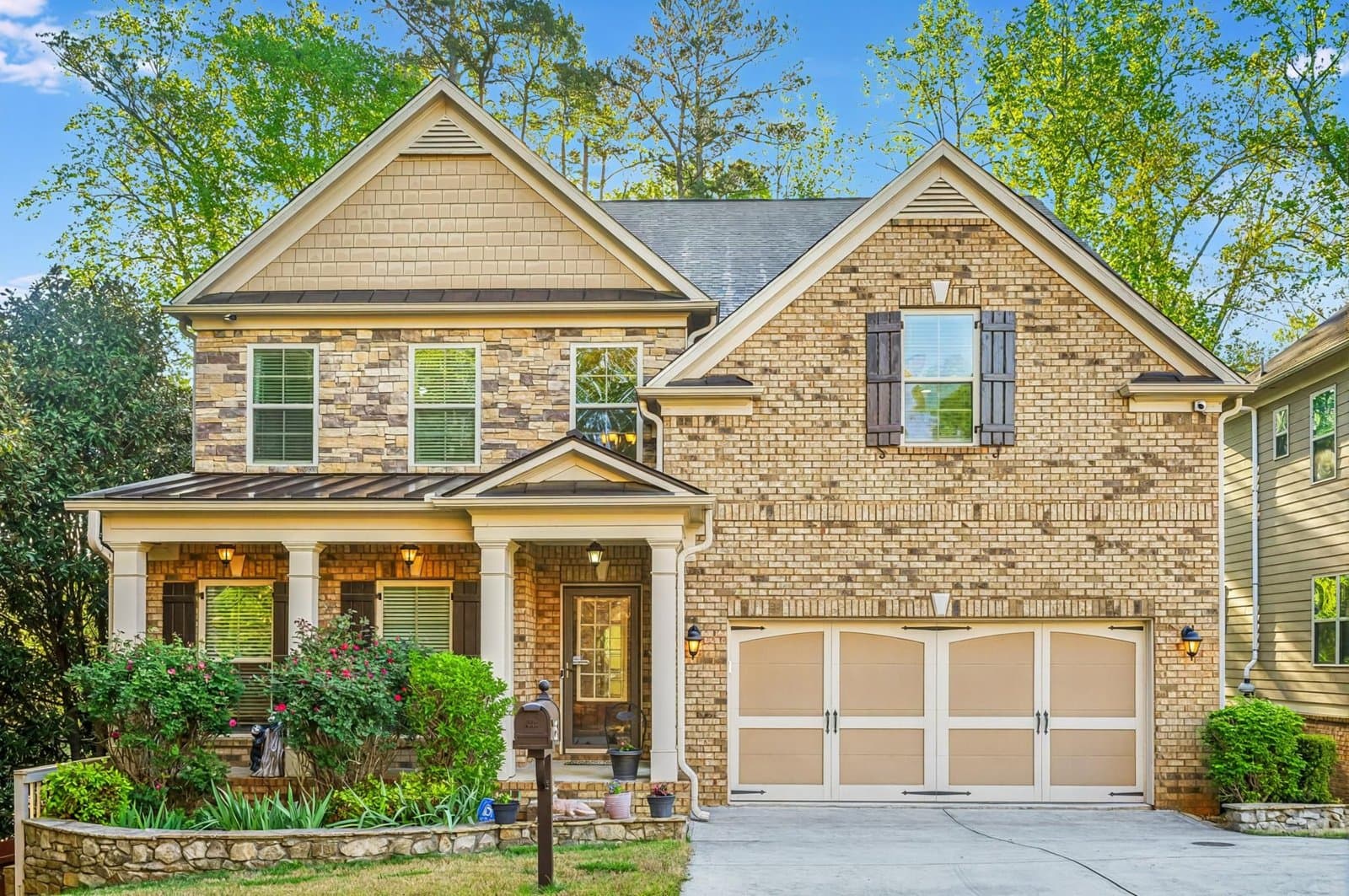

Last month, I helped a software engineer from Seattle find the perfect home in Alpharetta's Windward community. She'd done her research online but was overwhelmed by Metro Atlanta's sprawling geography and diverse neighborhoods. "I thought I understood Atlanta from visiting downtown," she told me, "but this is like choosing between five different cities." She's not wrong: moving to Atlanta from out of state requires understanding that you're not just choosing a city, you're choosing from dozens of distinct communities across 28 counties.
After two decades of helping out-of-state buyers navigate Metro Atlanta's real estate market, I've seen the same questions and challenges arise repeatedly. Whether you're relocating for work, family, or lifestyle, this comprehensive guide will help you make informed decisions about one of America's fastest-growing metropolitan areas.
Understanding Metro Atlanta's Geographic Layout
Metro Atlanta isn't just Atlanta proper, it's a 28-county region with over 6 million residents. The city of Atlanta has roughly 500,000 people, but the real estate opportunities span from Gainesville in the north to McDonough in the south, covering over 8,000 square miles.
The region divides into several key areas, each with distinct characteristics:
Inside the Perimeter (ITP)
Areas inside Interstate 285 ("the Perimeter") offer urban living with walkable neighborhoods, MARTA access, and shorter commutes to downtown. Popular ITP neighborhoods include:
- Buckhead: Atlanta's upscale district with luxury condos, high-end shopping, and excellent restaurants
- Midtown: Cultural heart with theaters, museums, and modern high-rises
- Virginia-Highland: Trendy bungalows, local eateries, and tree-lined streets
- Inman Park: Historic Victorian homes and hip restaurants
- Decatur: Family-friendly with excellent schools and a charming downtown square
Outside the Perimeter (OTP)
Suburban communities beyond I-285 typically offer larger homes, newer construction, and top-rated schools. Key OTP areas include:
- North Fulton: Alpharetta, Roswell, and Johns Creek with tech companies and excellent schools
- Gwinnett County: Diverse communities like Duluth, Suwanee, and Lawrenceville
- Cobb County: Marietta, Smyrna, and Vinings with family-friendly neighborhoods
- South Metro: Peachtree City, Fayetteville, and Newnan with planned communities
I recently worked with a Chicago family who initially wanted to live ITP for the urban experience. After touring both areas, they chose Roswell for the larger yard space and top-tier schools, accepting a longer commute for better family amenities.
Navigating Atlanta's Job Market and Commute Considerations
Atlanta's economy centers around several major employment hubs, and understanding these locations is crucial for choosing your neighborhood.
Major Employment Centers
Downtown/Midtown: Financial services, law firms, and corporate headquarters. Companies like Coca-Cola, Georgia-Pacific, and numerous banks maintain major operations here.
Buckhead: Corporate offices, consulting firms, and regional headquarters for national companies.
Perimeter Center: Major business district in Dunwoody with companies like State Farm, Cox Communications, and numerous Fortune 500 regional offices.
Cumberland/Galleria: Cobb County's business hub near the Battery Atlanta, home to companies like Home Depot corporate offices.
Alpharetta/Johns Creek: "Technology Corridor" with companies like Microsoft, IBM, and numerous fintech firms.
Commute Planning Strategy
Atlanta traffic is legendary, but strategic neighborhood selection can minimize your daily drive. Here's what I tell out-of-state buyers:
Against Traffic Principle: If you work downtown, consider neighborhoods north of the city (reverse commute). If you work in Alpharetta, living south of your office means fighting traffic both ways.
MARTA Accessibility: Our rail system connects downtown, midtown, Buckhead, and extends to the airport. Neighborhoods near MARTA stations like Decatur, Brookhaven, or Sandy Springs offer car-free commuting options.
Realistic Timing: A 15-mile commute can take 20 minutes at 10 AM or 75 minutes at 8 AM. Always test drive your potential commute during actual work hours.
Last year, I helped a pharmaceutical executive from Boston who insisted on living in Virginia-Highland for the walkability. After experiencing a few 90-minute commutes to her Alpharetta office, she relocated to Johns Creek and couldn't be happier with the decision.
School Districts and Family Considerations
Georgia's school system varies dramatically by county, and many out-of-state families prioritize education when choosing neighborhoods.
Top-Performing School Districts
Fulton County (North): Schools like Centennial High, Milton High, and Johns Creek High consistently rank among Georgia's best. The district serves Alpharetta, Roswell, and Johns Creek.
Gwinnett County: Georgia's largest school district with excellent programs. Schools like Collins Hill High, Mill Creek High, and Lambert High offer strong academics and athletics.
Cobb County: Well-funded district serving Marietta, Kennesaw, and surrounding areas. Schools like Walton High and Pope High maintain excellent reputations.
Fayette County: Smaller district with consistently high performance, serving Peachtree City and Fayetteville.
Private School Options
Metro Atlanta offers numerous private school options, from religious institutions to college-preparatory academies. Notable schools include Westminster, Pace Academy, Holy Innocents', and Marist School.
Many families I work with from states with strong public education (like Massachusetts or Connecticut) are pleasantly surprised by Georgia's top school districts, particularly in North Fulton and Gwinnett counties.
Housing Market Dynamics and Pricing
Atlanta's housing market offers compelling value compared to many major metropolitan areas, but understanding local pricing trends is essential.
Current Market Conditions
As of 2024, Metro Atlanta's median home price varies significantly by location:
- ITP Premium Neighborhoods: $600,000-$1.2 million (Buckhead, Virginia-Highland, Inman Park)
- North Fulton Suburbs: $450,000-$800,000 (Alpharetta, Roswell, Johns Creek)
- Gwinnett County: $350,000-$550,000 (Duluth, Suwanee, Lawrenceville)
- Cobb County: $375,000-$600,000 (Marietta, Smyrna, Kennesaw)
- South Metro: $300,000-$500,000 (Peachtree City, Fayetteville, Newnan)
Property Tax Considerations
Georgia's property taxes are relatively moderate, but rates vary by county:
- Fulton County: Approximately 1.1% effective rate
- Gwinnett County: Approximately 1.0% effective rate
- Cobb County: Approximately 1.1% effective rate
- Fayette County: Approximately 1.0% effective rate
Georgia offers a homestead exemption that can significantly reduce your property tax burden on your primary residence.
New Construction vs. Existing Homes
Metro Atlanta's rapid growth means abundant new construction options. I often recommend new builds for out-of-state buyers because:
- Modern floor plans and energy efficiency
- Builder warranties provide peace of mind
- Less immediate maintenance compared to older homes
- Ability to customize finishes and features
However, established neighborhoods offer mature trees, unique character, and often better locations relative to employment centers.
Climate, Lifestyle, and Cultural Adaptation
Moving to Atlanta from out of state involves more than finding the right house: it's adapting to a different climate and culture.
Weather Patterns
Atlanta enjoys a humid subtropical climate with four distinct seasons:
- Spring: Mild temperatures, blooming dogwoods and azaleas, occasional severe weather
- Summer: Hot and humid (80s-90s), afternoon thunderstorms, high pollen counts
- Fall: Pleasant temperatures, beautiful foliage, ideal outdoor weather
- Winter: Mild with occasional ice storms, rare snow events that can paralyze the city
Out-of-state buyers from northern climates are often surprised by Atlanta's pollen levels in spring and the intensity of summer humidity.
Cultural and Social Integration
Atlanta's transplant-friendly culture makes integration easier than many Southern cities. The metro area's diversity, driven by corporate relocations and international immigration, creates welcoming communities for newcomers.
Popular social activities include:
- Atlanta United soccer games at Mercedes-Benz Stadium
- Braves baseball at Truist Park in Cobb County
- Hawks basketball and extensive college sports scene
- Thriving food and music scenes in neighborhoods like the Westside and East Atlanta
- Outdoor activities along the Beltline, Chattahoochee River, and numerous parks
Practical Moving and Transition Tips
Successfully relocating to Metro Atlanta requires careful planning and local knowledge.
Timing Your Move
Best Months: October through April offer pleasant weather and less humidity. Avoid moving during peak summer months if possible.
School Calendar Considerations: If you have children, plan your move to align with the school year. Most Georgia schools start in mid-August.
Utility Setup and Services
Georgia Power serves most of Metro Atlanta, though some areas have EMCs (Electric Membership Cooperatives). Water and sewer services vary by municipality.
Internet options include Comcast Xfinity, AT&T Fiber (in select areas), and Google Fiber (limited availability).
Vehicle Registration and Licensing
Georgia requires new residents to obtain a Georgia driver's license and register vehicles within 30 days of establishing residency. The process involves:
- Passing a vision test (written test may be required depending on your previous state)
- Providing proof of identity and Georgia residency
- Paying registration fees and ad valorem taxes on your vehicle
Banking and Financial Services
Major national banks maintain strong presences in Atlanta, including Bank of America, Wells Fargo, and Truist (formerly SunTrust). Local credit unions like Delta Community Credit Union offer competitive rates and services.
Working with Local Real Estate Professionals
Buying a home from out of state requires a real estate professional who understands both the local market and the unique challenges of remote home buying.
Virtual Tour Technology
Modern technology enables comprehensive virtual home tours, but nothing replaces boots-on-the-ground local expertise. I use a combination of:
- Live virtual walkthroughs via video call
- Detailed photo and video documentation
- Neighborhood video tours showing commute routes and local amenities
- Local market data and comparable sales analysis
Construction and Inspection Expertise
My construction background proves invaluable for out-of-state buyers who can't personally inspect properties. I can identify potential issues, evaluate build quality, and recommend trusted local inspectors and contractors.
Recently, I saved a California buyer $15,000 by identifying foundation settling issues during a virtual tour that weren't apparent in listing photos. My construction experience allowed me to spot subtle signs that required professional evaluation.
Frequently Asked Questions About Moving to Atlanta
How does Atlanta's cost of living compare to other major cities?
Atlanta offers significant cost savings compared to cities like San Francisco, New York, or Boston. Housing costs are typically 30-50% lower, while maintaining access to major city amenities. However, you'll likely need a car for daily transportation, which adds to overall expenses.
What's the best way to research Atlanta neighborhoods from out of state?
Start with online resources like neighborhood guides, school ratings, and crime statistics. However, virtual tours with a knowledgeable local agent provide irreplaceable insights into commute patterns, future development plans, and neighborhood character that you can't get from websites.
Should I rent first or buy immediately when moving to Atlanta?
This depends on your situation. If you're certain about your employment location and have researched neighborhoods thoroughly, buying immediately can make sense in Atlanta's appreciating market. However, renting for 6-12 months allows you to experience different areas firsthand before making a long-term commitment.
How important is proximity to MARTA for daily life in Atlanta?
MARTA access is valuable if you work downtown, at the airport, or along the rail lines. However, most Metro Atlanta residents rely primarily on cars for daily transportation. MARTA is more about convenience than necessity for most suburban residents.
What should I know about Atlanta's traffic before choosing a neighborhood?
Atlanta traffic is challenging but manageable with proper planning. The key is choosing a home location that minimizes rush-hour driving against major traffic flows. A 20-mile commute can vary from 25 minutes to 90 minutes depending on direction and timing.
Moving to Atlanta from out of state represents an exciting opportunity to join one of America's most dynamic metropolitan areas. The combination of economic opportunity, relatively affordable housing, mild climate, and welcoming culture makes Metro Atlanta an attractive destination for relocating families and professionals.
Success in your Atlanta relocation depends on understanding the region's geography, employment patterns, school districts, and housing market dynamics. Working with experienced local professionals who understand both the market and the unique challenges of out-of-state buying ensures you make informed decisions about your new home.
Whether you're drawn to the urban energy of Midtown, the family-friendly suburbs of North Fulton, or the planned communities of South Metro, Atlanta offers neighborhoods to match virtually any lifestyle and budget. The key is matching your priorities (commute, schools, amenities, home style) with the right community.
If you're considering moving to Atlanta from out of state, I'd welcome the opportunity to share my local expertise and construction knowledge to help you navigate this important decision. With 20+ years of Metro Atlanta real estate experience, I understand both the opportunities and challenges facing out-of-state buyers. Contact me at Beckett Real Estate to discuss your Atlanta relocation goals and begin your journey to finding the perfect Metro Atlanta home.
Thinking about a move?
Beckett Real Estate works the whole of Metro Atlanta. Tell me the address or the neighborhood and I will tell you what the house is really like, what the inspection usually finds, and what the number should be.
See homes for saleTalk to an agent nowMore articles like this