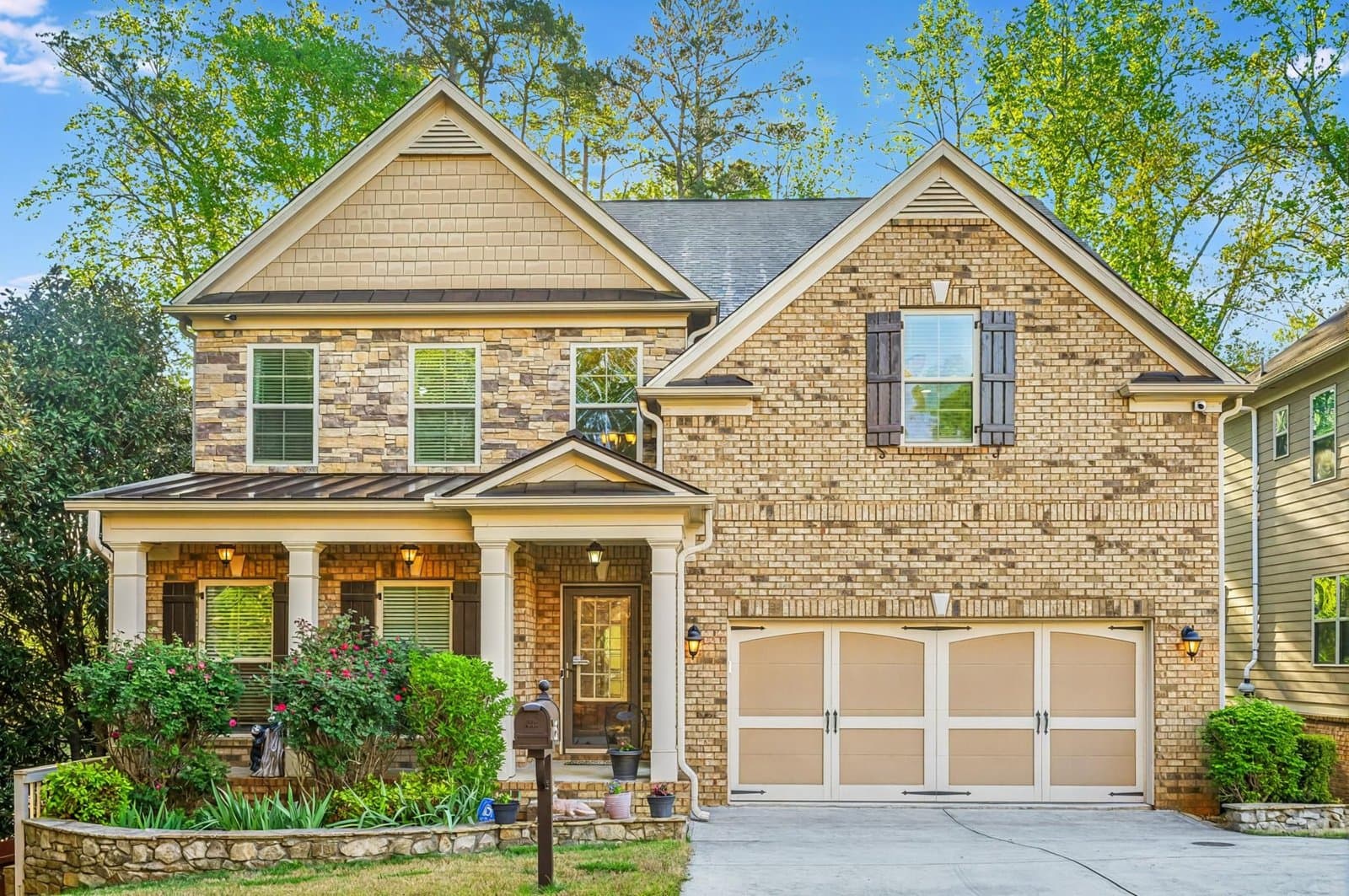

The Phone Call I Get Every Week
It usually starts the same way. Someone calls me from Chicago, or Dallas, or New York (sometimes Charlotte) and they say something like, "We're moving to Atlanta in 90 days and we have no idea where to start." They've done the Zillow deep dive. They've watched the YouTube videos. They've got a list of neighborhoods they pulled from some generic 'Best Places to Live' listicle that was probably written by someone who's never driven I-285 at 5:15 on a Tuesday.
I walked a house last spring with a couple relocating from Seattle. Sharp people. Did their homework. They'd narrowed it down to a home in Smyrna (great call, by the way) but they almost passed on it because they thought the commute to Midtown would be brutal. I pulled up the Beltline trail access two blocks away and showed them the express lane situation on I-75. Twenty-two minutes on a normal morning. Their faces changed. That's the kind of thing that only comes from knowing the market from the inside out, not from reading about it.
If you're moving to Atlanta from out of state, this is the guide I wish someone had handed me before I spent years learning this city block by block, subdivision by subdivision, slab by slab. Let's get into it.
Why Atlanta, and Why Now
Atlanta isn't growing because of hype. It's growing because it works. Major corporate headquarters (Delta, Coca-Cola, Home Depot, NCR Voyix) are here. The film and TV industry has turned metro Atlanta into a legitimate production hub. The tech sector keeps expanding. And compared to most major metros, the cost of living still makes sense for what you get.
Here's some context on where prices actually stand: the S&P CoreLogic Case-Shiller Atlanta Home Price Index sits at 249.8 as of April 2026 (source: FRED ATXRSA). The national index? 332.68 for the same period (source: FRED CSUSHPINSA). Atlanta is still running meaningfully below the national average on that scale, which tells you something real about relative value. This isn't me spinning a narrative. That's Federal Reserve data.
On the mortgage side, the 30-year fixed rate is averaging 6.58% nationally as of July 23, 2026, per Freddie Mac's Primary Mortgage Market Survey via FRED (MORTGAGE30US). That's the market rate. Your personal rate will depend on your credit, your lender, and your loan structure. I'm not a lender and I won't pretend to be. But that's the environment you're buying into, and it's worth understanding before you set your budget.
Metro Atlanta Is Not One City — It's 30 Cities Wearing One Name
This is the single biggest mistake out-of-state buyers make. They say "Atlanta" when they mean Alpharetta. They say "Atlanta suburbs" when they mean a 45-minute drive from downtown with a completely different school system, tax rate, and culture. Let me break down the major zones.
Inside the Perimeter (ITP): Buckhead, Midtown, Virginia-Highland, Decatur
If walkability, nightlife, and proximity to corporate offices matter to you, inside I-285 is where you're looking. Buckhead gives you high-end retail and some of the most architecturally interesting homes in the city: older construction, lots of character, and price tags to match. Midtown is Atlanta's cultural core: the Fox Theatre, Piedmont Park, the High Museum. Virginia-Highland is what happens when a neighborhood has good bones and great restaurants. Decatur is its own incorporated city with a walkable square, excellent schools, and a community feel that's hard to manufacture.
Price range ITP: you're generally starting at $500K for a decent single-family home in most of these areas, and going up fast from there. Condos and townhomes bring the entry point down.
OTP North: Alpharetta, Milton, Johns Creek, Roswell, Cumming
This is where a lot of corporate relocations land, and for good reason. Alpharetta has become a genuine tech corridor (sometimes called "Technology City of the South") with companies like Microsoft, Salesforce, and dozens of others operating there. The schools are strong. Fulton County schools in this area routinely post GreatSchools ratings in the 8-10 range. Milton is where you go when you want acreage, equestrian properties, and a quieter pace without sacrificing access. Roswell blends historic charm with solid infrastructure. Cumming and Forsyth County have exploded with new construction and are drawing buyers who want more square footage per dollar.
Commute reality check: Alpharetta to Midtown on GA-400 without express lanes, budget 45 to 60 minutes in peak traffic. With the express lanes, you can cut that to 30-35 on a good day. This is not a small consideration. I've seen buyers fall in love with a house and ignore the commute math. Don't do that.
OTP East: Decatur Suburbs, Tucker, Stone Mountain, Gwinnett County
Gwinnett County is one of the most diverse counties in the Southeast and one of the most underrated by out-of-state buyers. Cities like Duluth, Suwanee, Peachtree Corners, and Lawrenceville offer newer construction, solid schools, and significantly more house per dollar than the north Fulton corridor. Suwanee in particular has been recognized nationally for quality of life. If you're working in the northeast part of the metro, around I-85, Gwinnett deserves serious consideration.
OTP West and South: Marietta, Smyrna, East Cobb, Newnan, Peachtree City
Cobb County is having a moment. The Braves moved to Truist Park in Cumberland, and that whole corridor has developed fast. Smyrna is one of my personal favorites for value: established neighborhoods, quick access to both I-75 and I-285, and a downtown area that's actually worth walking around. East Cobb is the gold standard for Cobb County schools and suburban family living. Marietta has a historic square, a strong sense of place, and a price range that's more accessible than comparable north Fulton options.
South of the city, Peachtree City is its own world, literally, with a golf cart path network that connects the whole community. Newnan has seen significant growth and offers some of the best value in the metro for buyers willing to absorb a longer commute.
What Out-of-State Buyers Get Wrong About Atlanta Traffic
I'll be blunt: Atlanta traffic is real, and if you pick the wrong location relative to where you work, it will affect your quality of life. But it's also manageable if you understand it.
The key insight most people miss is directionality. Traffic flows toward downtown and Midtown in the morning and away in the evening, which means if you live north and work north, or live east and work east, your commute can be surprisingly reasonable. The brutal commutes are the ones that cut across the metro or fight the main flow on I-285.
MARTA (Metropolitan Atlanta Rapid Transit Authority) serves Fulton and DeKalb counties with rail lines. If you're buying near a MARTA station and working downtown, you can largely opt out of the traffic equation. The Red and Gold lines run from the airport through downtown and up to North Springs and Doraville respectively. It's not the New York subway, but it works for the right commute pattern.
The Beltline changes the math for neighborhoods that connect to it. The 22-mile trail loop around the city is partially complete and expanding. Properties within walking distance of Beltline access points command a premium. And they earn it.
Understanding Georgia Property Taxes and HOA Fees
Coming from states with higher property tax rates, Georgia can feel like a relief. But there are nuances worth knowing before you close.
Georgia uses a millage rate system applied to assessed value, which is typically 40% of fair market value. The homestead exemption, available to primary residents, reduces your taxable value meaningfully. You must apply for it, and you must do so by April 1st of the year following your purchase. I've seen buyers miss this deadline and overpay for a full year. Don't be that buyer.
County matters a lot. Fulton County taxes run higher than Cherokee or Forsyth. Gwinnett sits in the middle. When you're comparing two homes with similar price tags in different counties, run the actual tax numbers. They can differ by thousands of dollars annually.
HOA fees in Metro Atlanta range from essentially nothing in older established neighborhoods to $300-500 per month in master-planned communities with amenities. Newer communities in Forsyth, Cherokee, and Gwinnett often have HOAs that cover common areas, pools, and tennis courts. Ask for the full HOA financials: reserve fund balance, pending assessments, and meeting minutes. I've killed deals where the reserve fund was dangerously underfunded. That's a construction guy talking.
New Construction vs. Resale in Metro Atlanta
Atlanta has significant new construction activity — nationally, housing starts are running at a seasonally adjusted annual rate of 1,427,000 units as of June 2026 (source: FRED HOUST). The Atlanta metro is contributing meaningfully to that number, particularly in Cherokee, Forsyth, Gwinnett, and Henry counties.
New construction sounds appealing: fresh everything, builder warranty, no one else's design decisions baked in. And sometimes it is the right call. But here's what I know from having framed walls and poured footings: production builders build fast, and fast has consequences. Insulation shortcuts. Grading issues that don't show up until the first heavy rain. HVAC systems that are technically code-compliant but sized wrong for the actual load of the house.
Get an independent inspector on new construction. Always. The builder's QC process is not the same as an independent set of eyes. I've walked new builds where the flashing around windows was installed backward. Looked fine from the street. Wouldn't have looked fine after two Atlanta summers.
Resale in established neighborhoods often gives you mature trees, finished landscaping, and a known neighborhood character. The trade-off is older systems (HVAC, roof, water heater) that may need attention. Price that into your offer. I can walk a house and give you a rough cost estimate on deferred maintenance in real time. That's not something most agents can do.
The School Question: How to Actually Research Atlanta Schools
School quality is one of the top three drivers for relocating families, right after job and budget. Metro Atlanta has a wide range, and the county lines matter enormously.
Cherokee County, Forsyth County, and specific clusters within Fulton (particularly north Fulton) and Cobb (East Cobb) consistently produce strong public school outcomes. Gwinnett County schools have improved significantly and offer strong STEM and magnet programs. Atlanta Public Schools, which serve the city proper, are more variable: some schools are excellent, others are not, and the difference can be a single zip code.
My recommendation: don't rely solely on GreatSchools ratings. Go to the Georgia Department of Education's College and Career Ready Performance Index (CCRPI) data. Look at specific school performance, not just district averages. And if you have kids with specific needs (gifted programs, special education, arts focus), research the individual school's offerings before you commit to a neighborhood.
One more thing: school district boundaries can change. Verify the current district assignment for any specific address with the county school system directly. I've seen MLS listings with outdated school information. It happens.
Frequently Asked Questions: Moving to Atlanta From Out of State
How much does it cost to buy a home in Metro Atlanta?
It depends heavily on location. Inside the perimeter in desirable neighborhoods like Buckhead or Virginia-Highland, single-family homes typically start around $500K and go well above $1M for larger properties. In the northern suburbs (Alpharetta, Milton, Johns Creek), expect $500K-$800K for a solid family home in a good school district. In Gwinnett, Cherokee, or Forsyth counties, you can find newer construction with more square footage starting in the $350K-$500K range. The S&P CoreLogic Case-Shiller Atlanta Home Price Index stood at 249.8 as of April 2026 (FRED ATXRSA), still well below the national index of 332.68, which reflects Atlanta's relative affordability compared to many major metros.
What are the best suburbs of Atlanta for families?
East Cobb (Cobb County), Alpharetta and Milton (north Fulton), Suwanee (Gwinnett County), and Canton (Cherokee County) consistently rank as top family destinations based on school quality, safety, and community amenities. Each has a different character and price point: East Cobb and Milton trend higher, Cherokee and Gwinnett offer more value per square foot.
Is Atlanta traffic as bad as people say?
It can be. But it's highly dependent on where you live relative to where you work. Directional commutes that align with traffic flow are manageable. Cross-metro commutes during peak hours are genuinely difficult. The express lane network on I-75, I-85, and GA-400 helps significantly. MARTA rail is a viable option for specific corridors. The Beltline trail network is transforming walkability in intown neighborhoods. The key is choosing your home location with your specific commute pattern in mind, not just the general area.
Do I need to apply for a homestead exemption in Georgia?
Yes, and this is critical. If you purchase a home in Georgia and it will be your primary residence, you must apply for the homestead exemption by April 1st of the year following your purchase to receive the benefit for that tax year. This reduces your assessed taxable value and can save you a meaningful amount annually. The application is filed with your county tax assessor's office. Do not assume it's automatic. It is not.
Should I buy new construction or resale in Atlanta?
Both have merit depending on your priorities. New construction offers modern finishes, builder warranties, and energy efficiency. Resale often offers established neighborhoods, mature landscaping, and more character. My strong advice for new construction: hire an independent home inspector regardless of how new the home is. Production builders build at volume and speed, and quality control varies. On resale, price deferred maintenance into your offer: aging HVAC systems, roofs, and water heaters are negotiating tools if you know what you're looking at.
Before You Sign Anything, Talk to Someone Who Knows How These Houses Are Built
Moving to Atlanta from out of state is one of the biggest financial decisions you'll make. The market here rewards people who do it right and punishes people who rush. I've seen buyers overpay because they didn't understand the neighborhood trajectory. I've seen buyers walk away from great deals because they didn't know what they were looking at structurally. I've seen relocation packages rushed through by corporate real estate programs that prioritize speed over fit.
What I bring to this process is 20+ years of construction and real estate experience in Metro Atlanta. I've framed houses, poured foundations, run electrical, and now I walk those same types of houses with buyers every week. I see things other agents don't see because I know how a house is supposed to be built. And I fight for my clients like it's personal, because it is.
If you're planning a move to Atlanta and want to talk through neighborhoods, timing, budget, or anything else, I'm around. No pressure, no pitch. Just a straight conversation with someone who actually knows this market.
Reach out to Evan Beckett at becketthomes.org. Let's figure out where you belong in this city.
Thinking about a move?
Beckett Real Estate works the whole of Metro Atlanta. Tell me the address or the neighborhood and I will tell you what the house is really like, what the inspection usually finds, and what the number should be.
See homes for saleTalk to an agent nowMore articles like this