
There's a study making the rounds right now that most real estate content will ignore because it doesn't fit neatly into a rate-cut narrative or a doom-scroll headline. But it matters, and it matters specifically to anyone buying or selling in Metro Atlanta's suburban and southside markets.
A JAMA Health Forum study of 7.35 million older adults found a direct link between state spending on home- and community-based services (HCBS) and the likelihood that older adults with independent living difficulties actually stay in their homes. Higher state HCBS investment means more seniors aging in place. Lower investment means more institutional moves, or moves in with adult children.
That's a policy story. But underneath it is a real estate story that nobody's writing yet.
Why Aging-in-Place Policy Is a Housing Supply Variable
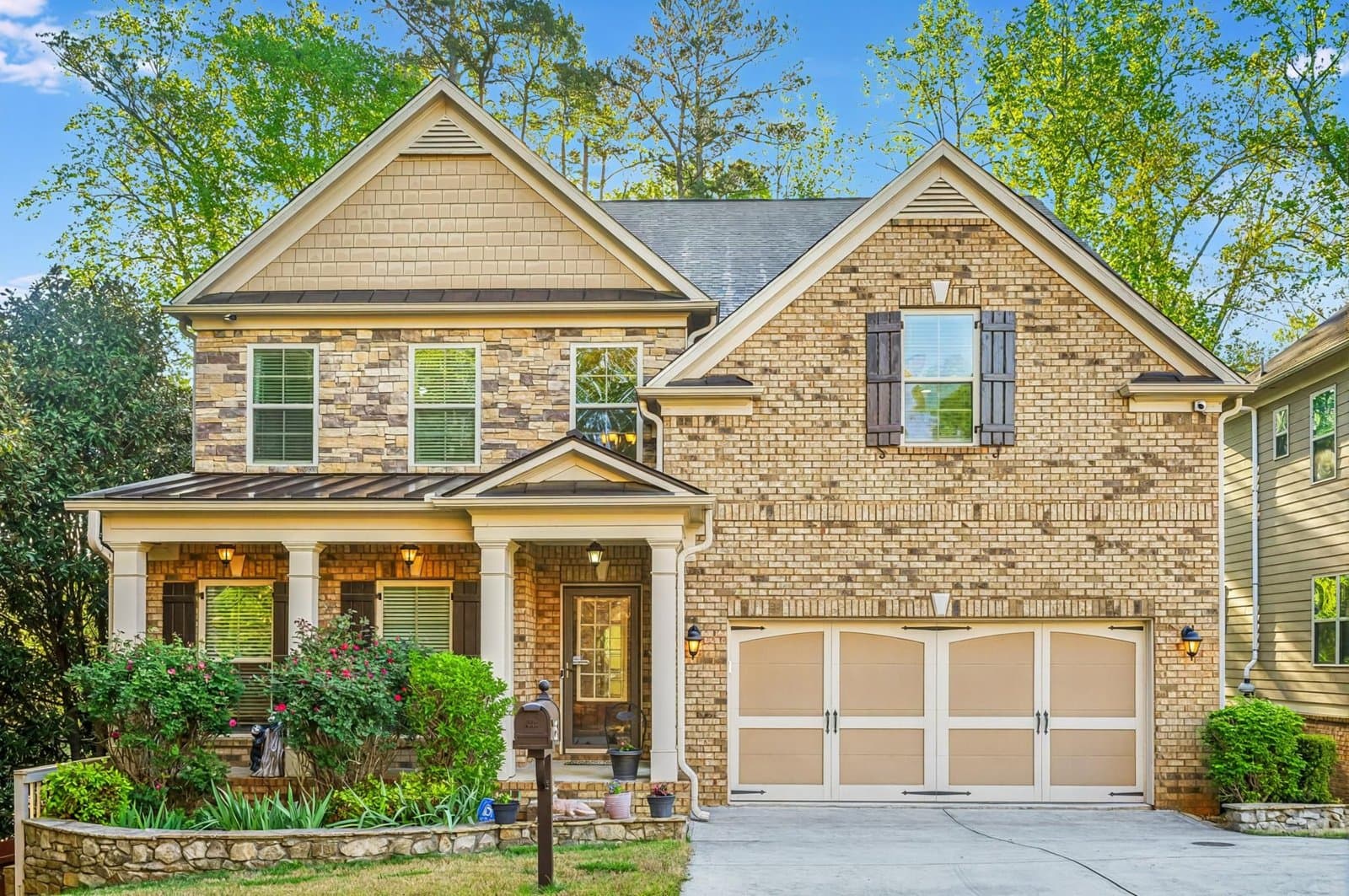
Here's what 20 years across construction disciplines taught me about the homes in this market: the majority of single-family residential inventory in Fayette, Coweta, Henry, and the southside counties was built between 1985 and 2005. The buyers who purchased those homes when they were new are now in their 60s and 70s. They're the largest single cohort of homeowners sitting on sub-4% mortgage rates with significant equity and zero financial motivation to sell.
The rate lock-in effect gets most of the attention. But there's a parallel lock-in happening at the life-stage level. Seniors who can age in place, who have the home-care infrastructure to stay, don't list. Seniors who can't, do. Sometimes by choice. Often by necessity.
When Georgia invests in HCBS (home health aides, adult day services, in-home supports), it directly affects whether that 1998 Peachtree City ranch with the finished basement comes to market in 2027 or stays occupied until 2034. That's not a small variable. In some southside zip codes, the over-65 cohort represents 15-20% of total ownership. A policy shift that moves even a fraction of that group toward or away from institutional placement has measurable supply consequences.

Full transparency: Georgia's HCBS spending relative to total long-term care expenditure has historically trailed states like Minnesota and Washington. That's documented in CMS data. The practical effect is that Georgia leans more heavily on institutional care pathways than states with stronger in-home support systems. Which means Georgia's senior homeowner cohort, all else equal, faces more pressure toward relocation or institutional transition than their counterparts in higher-spending states.
What Beckett Real Estate Watches for When a Senior-Owned Home Hits the Market
I've walked a lot of homes that have been owner-occupied for 20-plus years by people who aged in place as long as they could. These homes tell a story if you know how to read them. The construction background is useful here: not as a sales pitch, but because the physical state of a long-occupied home reflects the owner's capacity to maintain it over time.
Three things that show up consistently:
1. Deferred HVAC service. A 15-year-old system that hasn't had annual maintenance looks different from one that has. Coil buildup, capacitor wear, refrigerant loss that's been compensated for with thermostat adjustment rather than a service call. Seniors on fixed incomes often defer HVAC work until it fails completely. That affects pricing, and it affects buyer negotiation leverage when the system is flagged on inspection.
2. Electrical load that doesn't match modern usage. Homes built in the late 1980s and 1990s were wired for a different appliance load. A 200-amp panel that was adequate in 1992 may be running at or near capacity with a modern EV charger, updated kitchen, and added window units. I've pulled panels on southside resales and found double-tapped breakers and circuits that were never intended to carry their current load. This isn't catastrophic (it's addressable), but it's a negotiation point and a disclosure item that matters.
3. Bathroom and entry modifications that signal the owner's mobility timeline. Grab bars, roll-in shower conversions, threshold ramps: these aren't negatives, but they mark when the home's use pattern shifted. They also tell you the structure has been modified, which means you want to know whether those modifications were permitted and whether the work was done right.
The broader point: when a senior-owned home lists, it carries a maintenance and modification history that a construction-trained walk-through can read in ways a standard showing can't. That's not an argument against buying these homes: some of the best-valued inventory in Newnan, Fayetteville, and Stockbridge right now is in this category. It's an argument for walking in with eyes open.
The Market Implication Looking Forward
If Georgia expands HCBS investment — and there's bipartisan pressure to do so as the senior population grows — the supply release from the aging-homeowner cohort slows. More seniors stay in their homes longer. That's good for those individuals. It also means that anticipated inventory wave in the southside and suburban markets that some analysts are projecting for the late 2020s may arrive later and smaller than the models suggest.
If HCBS investment stagnates or shrinks, the opposite dynamic plays out: more forced transitions, more estate sales, more involuntary listings. Supply pressure eases, but the circumstances driving that supply aren't ones anyone should be rooting for.
The data right now doesn't point clearly in either direction for Georgia. What it does point to is that the housing supply question and the elder care policy question are the same question. Real estate commentary that treats them as separate is missing half the variable set.
Send the address. A construction-trained walk-through is what tells you whether the price reflects the condition or papers over it.
Looking in Peachtree City?
Beckett Real Estate works Peachtree City end-to-end: active listings, off-market opportunities, and the construction-trained walk-through that tells you what the price reflects vs. what it papers over.
Browse Peachtree City listings → · Schedule a tour with Beckett Real Estate
Thinking about a move?
Beckett Real Estate works the whole of Metro Atlanta. Tell me the address or the neighborhood and I will tell you what the house is really like, what the inspection usually finds, and what the number should be.
See homes for saleTalk to an agent nowMore articles like this