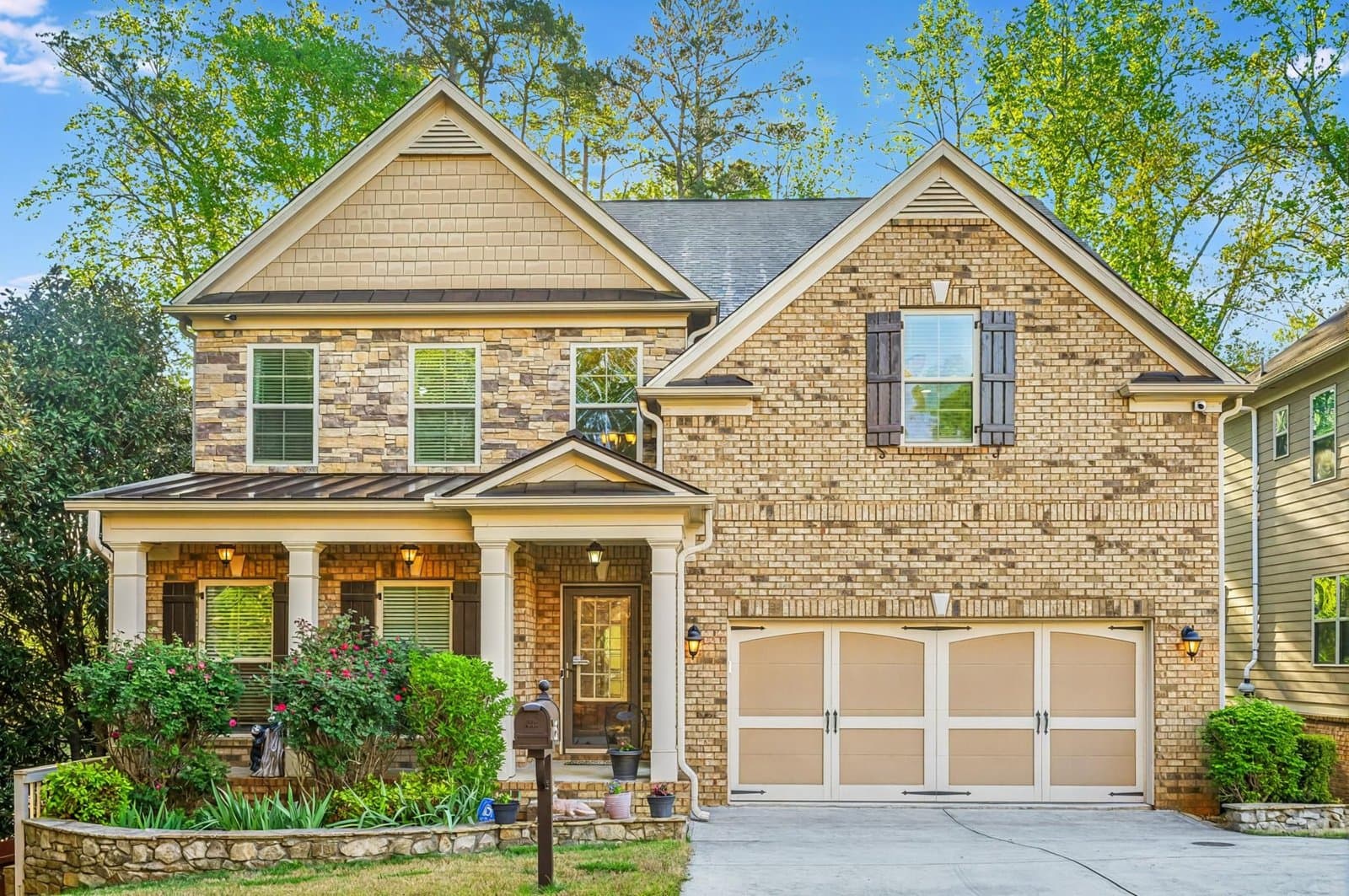

FHA sets the floor: a 580 credit score, 3.5 percent down, and a house that passes its property standards. Lenders build on top of that floor, and the house itself fails more FHA deals than the borrower does. This is the full checklist, including the parts that only show up at the appraisal.
The Federal Housing Administration does not lend money. It insures loans that private lenders make, which is why a borrower with a modest credit history and a small down payment can get approved at all. The insurance changes who carries the risk, and that one fact explains almost every FHA requirement on this list: HUD is willing to back your loan, so HUD gets a say in your credit profile, your debt load, and the condition of the house you are buying.
Most articles about FHA requirements stop at the borrower. That misses half the program. After twenty years in construction and renovation before I ever held a real estate license, I can tell you the FHA deals that fall apart late are usually killed by the house, not the buyer. So this checklist covers both.
The credit score floors, and why your lender's number is higher
HUD publishes two floors. With a credit score of 580 or above, the minimum down payment is 3.5 percent. Between 500 and 579, the program still allows a loan, but the down payment requirement rises to 10 percent. Below 500, FHA is off the table.
Those are program minimums, not promises. Individual lenders add their own requirements on top, called overlays, and a lender's practical floor is often 600 or 620 even though HUD would insure lower. If you are shopping in the 580 to 620 range, the single most useful question you can ask a lender is whether they lend down to the FHA floor or hold an overlay above it. The answers differ more than most buyers expect.
Down payment: 3.5 percent, and where it can come from
The 3.5 percent minimum is the number most people associate with FHA, and it has a feature conventional loans handle differently: the entire amount can be a gift from a family member, an employer, or a qualifying charitable organization, documented with a gift letter. FHA also stacks with down payment assistance programs. In Georgia that includes Georgia Dream and a long list of county and city programs, several of which are built specifically to pair with FHA financing. If the down payment is the obstacle, the assistance layer is worth a serious look before you decide you are not ready.
Debt-to-income: the benchmark and the reality
The standard benchmark is a debt-to-income ratio near 43 percent, counting your future housing payment plus every recurring debt on your credit report. In practice, FHA files run through automated underwriting, and approvals above the benchmark happen regularly when there are compensating factors: cash reserves, residual income, a strong payment history. Treat 43 percent as the line where the questions start, not where the answer becomes no.
Work history, and the two-year myth
FHA wants two years of employment history, but it does not require two years in the same job. Job changes within the same line of work, recent graduates entering their field, and returns from documented gaps can all be approved. What underwriting is actually testing is whether your income is stable and likely to continue. Self-employed borrowers should expect to show two years of tax returns.
The house has requirements too, and this is where deals die
Every FHA loan requires an appraisal from an FHA-approved appraiser, and that appraisal does two jobs at once. It estimates value, like any appraisal, and it checks the house against HUD's minimum property standards. The second job is the one that surprises people.
The standards target safety, security, and soundness. Having spent two decades in crawlspaces and on roofs before moving to the sales side, I can tell you the recurring offenders by heart:
- Peeling or chipping paint on any home built before 1978, inside or out, because of lead exposure rules. This is the single most common FHA repair call in older neighborhoods.
- Roof condition. The appraiser needs to see remaining life, generally read as two years or more. Curled shingles and patched valleys draw conditions.
- Handrails and safety hazards. Open stairwells without rails, broken steps, exposed wiring.
- Working systems. Heat that runs, plumbing that holds pressure, electrical that is safe. The appraiser will run the furnace in July.
- Water intrusion. Active leaks, standing water in the crawlspace, foundation dampness.
- Appliances and access. A functioning kitchen, and unobstructed access to the attic and crawlspace so the appraiser can actually look.
None of this means the house must be perfect. It means defects in those categories either get repaired before closing or the loan does not fund. If you are writing an offer on a house that shows any of the list above, price the repair conversation into your negotiation from the start, because the appraisal will force it later. Sellers who refuse to touch anything push FHA buyers toward houses that were maintained, which is not a bad filter to be pushed through.
Mortgage insurance: the cost of the guarantee
FHA loans carry mortgage insurance in two pieces: an upfront premium that is usually financed into the loan, and an annual premium paid monthly. The amounts are set by HUD, not by your lender, and they change from time to time. The piece worth planning around is duration: with the minimum down payment, the annual premium runs for the life of the loan rather than dropping off when your equity grows. The standard exit is refinancing into a conventional loan once your equity and credit profile support it. Buyers who treat FHA as a front door rather than a forever loan tend to use the program best.
Loan limits, by county
FHA caps how much it will insure, and the cap is set county by county each year. Most Georgia counties sit at the standard national limit, which comfortably covers the typical first purchase in most metro Atlanta price bands. If you are shopping near the top of your market, check the current limit for your specific county before you fall in love with a number.
Occupancy: you have to live there
FHA is an owner-occupant program. You must intend to occupy the home as your primary residence within 60 days of closing and stay at least a year. Investors cannot use it to buy rentals. There is one notable exception worth knowing about: a multi-unit property up to four units qualifies as long as you live in one of the units, which is how a first purchase and a first rental sometimes turn out to be the same building.
What to do with all of this
The borrower-side requirements are mostly a documentation exercise: scores, ratios, and work history are what they are, and a good loan officer will tell you in one conversation where you stand. The house-side requirements are where you have real control. Choose houses that were maintained, read the roof and the paint before you offer, and treat the FHA appraisal as a known checkpoint instead of a surprise.
I walk FHA-financed purchases with the property standards in mind because I spent my first career fixing the exact items that appraisers condition. If you want a second set of eyes on whether a house will clear the standards before you write the offer, or an introduction to lenders who work the FHA program down to its actual floors, reach out and I will point you in the right direction. For the assistance programs that stack with FHA in Georgia, start with the financing programs page or the down payment assistance guide.