The Walkthrough That Changed How I Think About Inspections
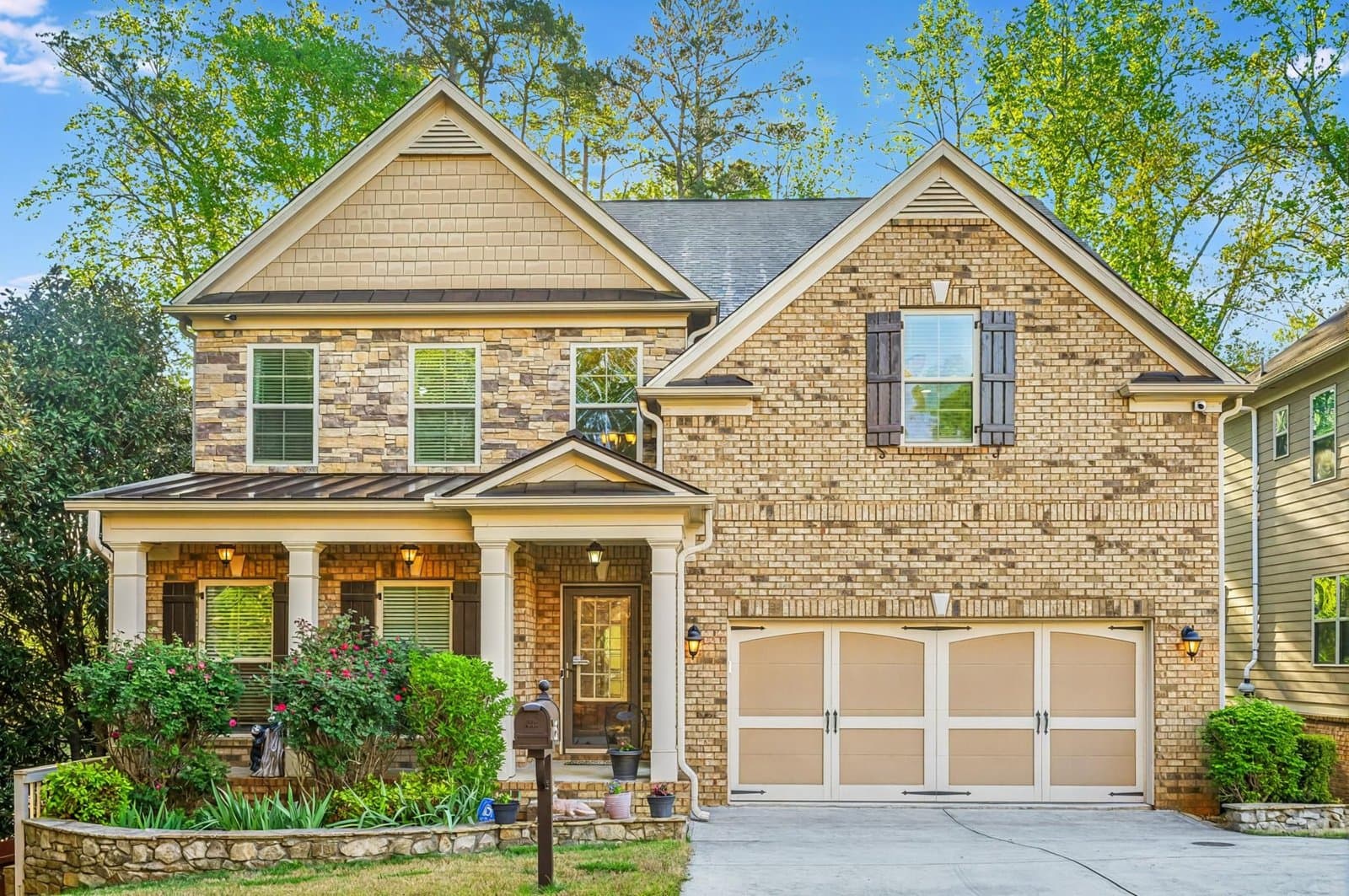
I was walking a property in East Cobb a few years back — nice street, good bones, priced right. The listing had been sitting for about three weeks, which in that market meant something was off. The sellers had done a fresh coat of paint throughout, new carpet in the bedrooms, updated light fixtures. The place showed beautifully.
Then I got to the crawl space.
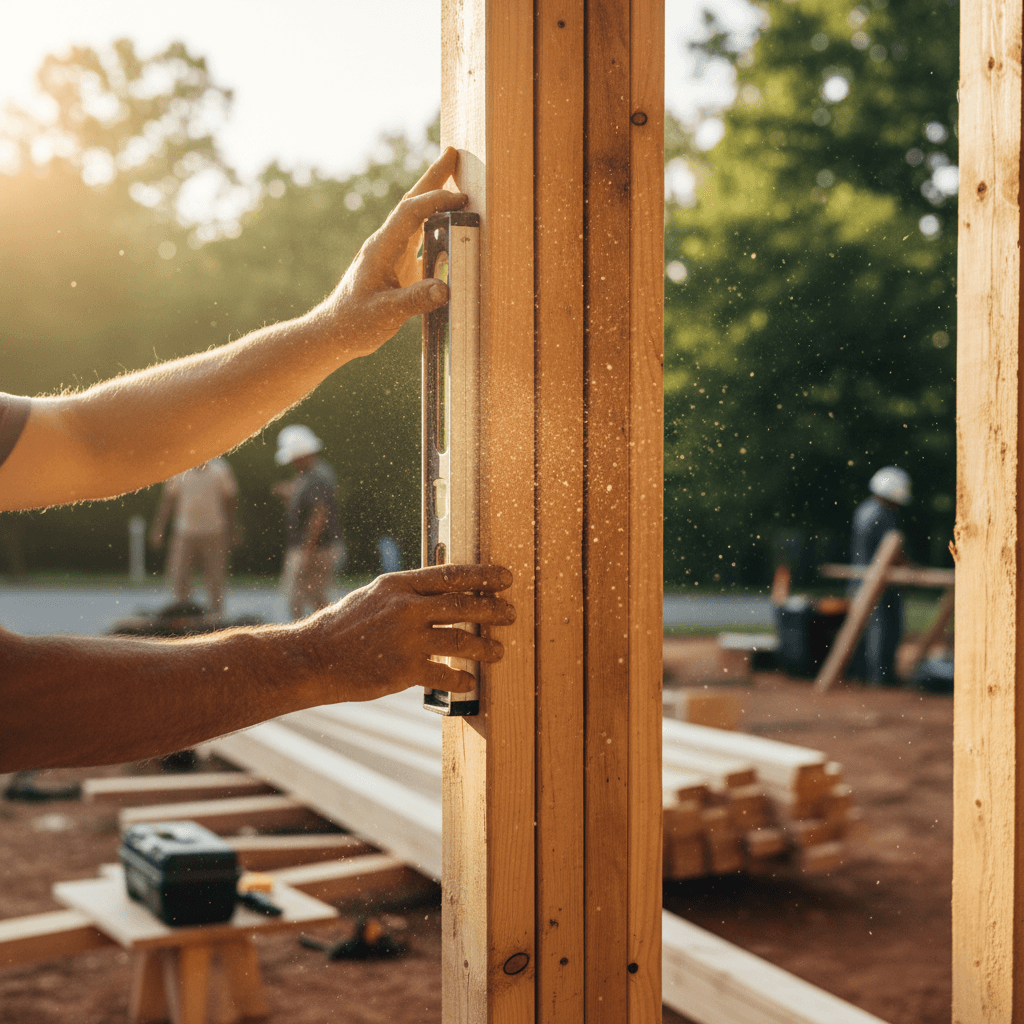
I've framed enough houses and poured enough footings to know what healthy wood looks like. What I saw under that house looked like a science experiment gone wrong — standing water, vapor barrier shredded and bunched up in the corners, floor joists with active moisture damage. The kind of thing that doesn't show up on a weekend open house tour. The kind of thing that costs $15,000 to $40,000 to fix correctly.
The buyers I was representing almost skipped the inspection. They were in love with the place. "It's fine," one of them said. "We'll just do a quick walkthrough with the inspector."
We did not do a quick walkthrough. We did a thorough one. And they negotiated $22,000 off the purchase price plus a remediation credit. They still love that house — and they love it a lot more knowing they didn't overpay for someone else's deferred maintenance.
That's what a real home inspection is for. Not a formality. Not a checkbox. A home inspection is your last line of defense before you sign your name to the biggest financial decision of your life. Here's what every Metro Atlanta buyer needs to know — and what to look for when you're working through your home inspection checklist in Georgia.
Why Georgia Home Inspections Are Different From Other States
Georgia has some quirks that make home inspections here a different animal than what you'd deal with in, say, Ohio or Colorado. The climate, the soil, the construction era of the housing stock — all of it matters when you're building your home inspection checklist.
Red Clay Soil and Foundation Movement
Let me be real with you: Georgia's red clay soil is beautiful to look at and brutal on foundations. It expands when wet and contracts when dry, which means it's constantly pushing and pulling against your foundation. In neighborhoods like Smyrna, Tucker, Decatur, and Stone Mountain — where you've got a lot of mid-century ranch homes sitting on slab foundations — this is a serious conversation to have with your inspector.
Stair-step cracks in brick exteriors, diagonal cracks at window corners, doors that don't quite close right — these are the calling cards of foundation movement. Not all of it is catastrophic. Some of it is normal settling. But you need a qualified inspector, and sometimes a structural engineer, to tell you which is which.
Humidity, Heat, and HVAC
Atlanta summers are not kind to mechanical systems. We're talking sustained heat and humidity from May through September. HVAC systems work overtime here, which means they wear out faster than in more temperate climates. A 12-year-old unit in Atlanta has lived a harder life than a 12-year-old unit in Denver. Your inspection should include a full evaluation of every HVAC system in the home — age, condition, filter maintenance, ductwork, and whether it's properly sized for the square footage.
Termites Are Not Optional Conversation
Georgia sits in one of the highest termite-pressure zones in the country. Subterranean termites in particular are active throughout the Metro Atlanta area — Gwinnett County, Cherokee County, Forsyth County, all of it. A standard home inspection does not cover wood-destroying organisms. You need a separate WDO inspection, commonly called a termite letter, from a licensed pest control operator. Most lenders will require it. Even if yours doesn't, get one anyway.
Your Home Inspection Checklist for Georgia: Section by Section
Here's how I walk buyers through the major systems and areas of a home. Print this out. Bring it with you. Ask questions during the inspection — a good inspector wants you engaged, not standing in the driveway scrolling your phone.
1. Foundation and Structure
- Check for cracks in the foundation — hairline cracks are common, horizontal or stair-step cracks are flags
- Look at the crawl space or basement for moisture, standing water, and vapor barrier condition
- Inspect floor joists and beams for rot, pest damage, or improper modifications
- Check that the home is sitting level — bouncy or sloping floors are worth investigating
- Look at the grading around the exterior — water should drain away from the foundation, not toward it
In areas like Brookhaven, Dunwoody, and Sandy Springs, you'll find a lot of split-level and tri-level homes from the 1960s and 70s. These can have complex foundation configurations. Don't rush this part of the inspection.
2. Roof and Attic
- Age and condition of roofing material — asphalt shingles in Georgia typically last 20 to 25 years
- Look for missing, curling, or granule-loss shingles
- Inspect flashing around chimneys, skylights, and valleys
- Check the attic for proper ventilation and insulation — inadequate ventilation is extremely common in Metro Atlanta homes
- Look for signs of past leaks: water stains on sheathing, daylight coming through, mold or mildew
- Inspect the fascia and soffit for rot or pest damage
If the roof is within five years of end-of-life, get a roofing contractor out for a separate estimate. Insurance companies in Georgia have become increasingly picky about roof age — some won't write new policies on roofs older than 15 years. That's a conversation worth having before you're under contract.
3. HVAC Systems
- Age and brand of each unit — get the model number and look it up
- Condition of air handler, coils, and heat exchanger
- Ductwork condition — look for disconnected, crushed, or uninsulated ducts
- Thermostat function and zoning (if applicable)
- Filter condition — a dirty filter tells you something about how the owners maintain the home
- Check that cooling and heating actually work — run both modes during the inspection
In larger homes in Milton, Alpharetta, or Johns Creek — places where 4,000 to 6,000 square feet is not unusual — you may have three or four HVAC zones. Each one needs to be evaluated. Budget roughly $5,000 to $12,000 for a full system replacement if one is near end of life. That's a negotiating point, not a dealbreaker.
4. Plumbing
- Water heater age and condition — Georgia code requires temperature-pressure relief valves and proper venting
- Water pressure throughout the home — low pressure can indicate supply line issues
- Check under every sink for leaks, water damage, or improper drain connections
- Inspect the main water shutoff — know where it is and that it works
- Look at visible supply lines — polybutylene pipe (gray plastic, common in homes built 1978–1995) is a known failure risk
- Run toilets, showers, and tubs — check for slow drains and running toilets
Polybutylene pipe is a real issue in some parts of Metro Atlanta — particularly in homes built in the 1980s in communities like Peachtree City, Marietta, and Kennesaw. If the inspector finds it, you're looking at a full repipe, which can run $4,000 to $15,000 depending on the size of the home. Know before you close.
5. Electrical System
- Inspect the main panel — look for the brand, amperage, and condition
- Federal Pacific (Stab-Lok) and Zinsco panels are known safety hazards — flag them immediately
- Check for double-tapped breakers, improper wiring, or signs of DIY electrical work
- GFCI outlets in bathrooms, kitchen, garage, and exterior — required by code and important for safety
- Smoke and carbon monoxide detectors — Georgia law requires them; verify they're present and functional
- Inspect the grounding system and any visible wiring in the attic or crawl space
I've walked homes in older Intown Atlanta neighborhoods — Grant Park, Ormewood Park, Candler Park — where the original knob-and-tube wiring was still partially in use. Insurers typically won't touch a home with active knob-and-tube. That's not a negotiating point — that's a get-it-replaced-before-closing conversation.
6. Exterior and Drainage
- Grading — the ground should slope away from the home at least 6 inches over 10 feet
- Condition of driveway, walkways, and retaining walls
- Gutters and downspouts — are they intact, properly pitched, and draining away from the foundation?
- Exterior siding condition — check for rot, gaps, improper caulking, or missing sections
- Windows and doors — look for failed seals (fogging between panes), rot in wood frames, and proper weatherstripping
- Decks and porches — check ledger board attachment, post footings, and railing stability
7. Interior — The Details That Add Up
- Test every window and door for proper operation
- Check ceilings for water stains — even old stains deserve an explanation
- Inspect the garage door opener and auto-reverse safety function
- Look at the fireplace and chimney — damper function, firebox condition, and flue integrity
- Check bathroom tile and grout for signs of water intrusion behind shower walls
- Verify exhaust fans in bathrooms vent to the exterior, not just into the attic
How to Use Your Inspection Report to Negotiate
Here's where a lot of buyers go wrong. They get a 60-page inspection report, see 47 items flagged, and panic. Or they go the other direction and try to negotiate every single item, which kills deals and makes sellers dig in.
The strategy I use with my buyers is simple: sort the findings into three buckets.
Bucket One: Safety and Structural. These are non-negotiables. Foundation issues, electrical hazards, active roof leaks, HVAC systems that don't function, evidence of termite damage. These get addressed before closing, period: either through repairs, credits, or price reduction.
Bucket Two: Significant Deferred Maintenance. A 15-year-old water heater. An HVAC unit with one or two years of life left. A roof that's aging out. These are legitimate negotiating points. Get contractor estimates and bring real numbers to the table.
Bucket Three: Normal Wear and Cosmetic Items. A sticking door. Caulk that needs refreshing. A bathroom exhaust fan that's a little slow. These are things you're going to live with or fix yourself. Don't blow up a good deal over a $40 fix.
In Georgia, buyers typically have a 10-day due diligence period, though this is negotiable and varies by contract. Use every day of it if you need to. Bring in specialists for anything the general inspector flags as beyond their scope. A structural engineer costs $300 to $600. A licensed electrician's evaluation might run $150. These are cheap insurance on a $400,000 purchase.
Choosing the Right Home Inspector in Metro Atlanta
Georgia requires home inspectors to be licensed through the Secretary of State's office. That's the floor, not the ceiling. Look for inspectors who carry errors and omissions insurance, have experience with the specific type of home you're buying (crawl space vs. slab, older vs. new construction), and who will let you walk through the inspection with them, not just hand you a report afterward.
Ask your agent for two or three names and do your own research. Check Google reviews. Look at sample reports. A good inspector writes clearly, photographs everything, and explains the difference between "monitor this" and "fix this now."
Plan for 2.5 to 4 hours for a standard Metro Atlanta home inspection. Larger properties in areas like Cherokee County or Forsyth County (where 3,500 square feet on a half-acre lot is the norm) can run longer. Block the time. Be present. The inspector's verbal commentary during the walkthrough is often more valuable than the written report.
A Note on New Construction in Metro Atlanta
New construction buyers sometimes skip the inspection because they assume a brand-new home is problem-free. I've been in this industry long enough (and I've built enough homes with my own hands) to tell you that assumption is expensive.
Production builders are moving fast. With U.S. new housing starts running at a seasonally adjusted annual rate of 1,177,000 units as of May 2026 (source: FRED HOUST), the pace of construction is significant. Mistakes happen. Insulation gets missed. Flashing gets done wrong. Grading gets left improperly sloped. A new construction inspection, including a pre-drywall phase inspection if you can get it, is worth every dollar.
In communities like Cumming, Buford, Acworth, and Woodstock (where new subdivisions are going up constantly), I've seen inspectors find real issues in homes that were weeks away from closing. Get the inspection. Always.
Frequently Asked Questions About Home Inspections in Georgia
What does a home inspection checklist in Georgia typically cover?
A Georgia home inspection checklist covers the foundation, roof, HVAC systems, plumbing, electrical panel, attic insulation, windows and doors, grading and drainage, and any visible signs of water intrusion or pest damage. In Metro Atlanta specifically, inspectors pay close attention to crawl spaces, red clay soil movement, and aging HVAC systems due to the region's heat and humidity.
How long does a home inspection take in Metro Atlanta?
Most home inspections in Metro Atlanta take between 2.5 and 4 hours depending on the size and age of the home. Larger homes in areas like Milton or Alpharetta with finished basements and multiple HVAC zones can run longer. Plan to be present for the full inspection: the conversation during the walkthrough is just as valuable as the written report.
Can a buyer negotiate after a home inspection in Georgia?
Yes. In Georgia, buyers typically have an inspection contingency period (often 10 days) during which they can request repairs, ask for a price reduction, or walk away entirely. How you negotiate matters enormously. Focus on structural and safety issues first, significant deferred maintenance second, and let the cosmetic stuff go.
Do I need a separate termite inspection in Georgia?
Yes, absolutely. Georgia is in a high-termite-risk zone, and a standard home inspection does not cover wood-destroying organisms. You'll need a separate WDO inspection (often called a termite letter) completed by a licensed pest control company. Many lenders require it, and even if yours doesn't, you should get one anyway.
What are the most common home inspection issues found in Metro Atlanta homes?
The most common issues include foundation movement related to Georgia's expansive red clay soil, deferred HVAC maintenance, improper grading causing water to drain toward the foundation, aging electrical panels (especially Federal Pacific or Zinsco brands), and moisture intrusion in crawl spaces or basements. Older Intown Atlanta neighborhoods may also have partial knob-and-tube wiring.
The Bottom Line on Home Inspections in Georgia
The S&P CoreLogic Case-Shiller Atlanta Home Price Index sat at 249.8 as of April 2026 (source: FRED ATXRSA), which tells you that Metro Atlanta home values have run hard over the past two decades. You are not buying a cheap asset. You are making a serious financial commitment, and the home inspection is the moment where you find out exactly what you're committing to.
Don't rush it. Don't skip it. Don't let anyone pressure you out of it. And don't try to negotiate every single line item in the report: focus on what matters and let the small stuff go.
I've been doing this for over 20 years in Metro Atlanta. I've swung a hammer, poured footings, framed walls, and run electrical. When I walk through a home with a buyer, I'm not just looking at the surface: I'm reading the house. That's a different thing than what most agents bring to the table, and it's something I take seriously every single time.
If you're buying a home in Metro Atlanta and want someone in your corner who actually knows what they're looking at (and knows how to use an inspection to protect your investment), I'm around. Reach out to Evan Beckett at becketthomes.org and let's talk through your situation. No pressure, no pitch. Just straight answers from someone who's been doing this long enough to know where the bodies are buried, figuratively speaking.
Thinking about a move?
Beckett Real Estate works the whole of Metro Atlanta. Tell me the address or the neighborhood and I will tell you what the house is really like, what the inspection usually finds, and what the number should be.
Estimate your renovation costSearch homes for saleTalk to an agent nowMore articles like this