The House on Flat Shoals That Almost Cost a Family Everything
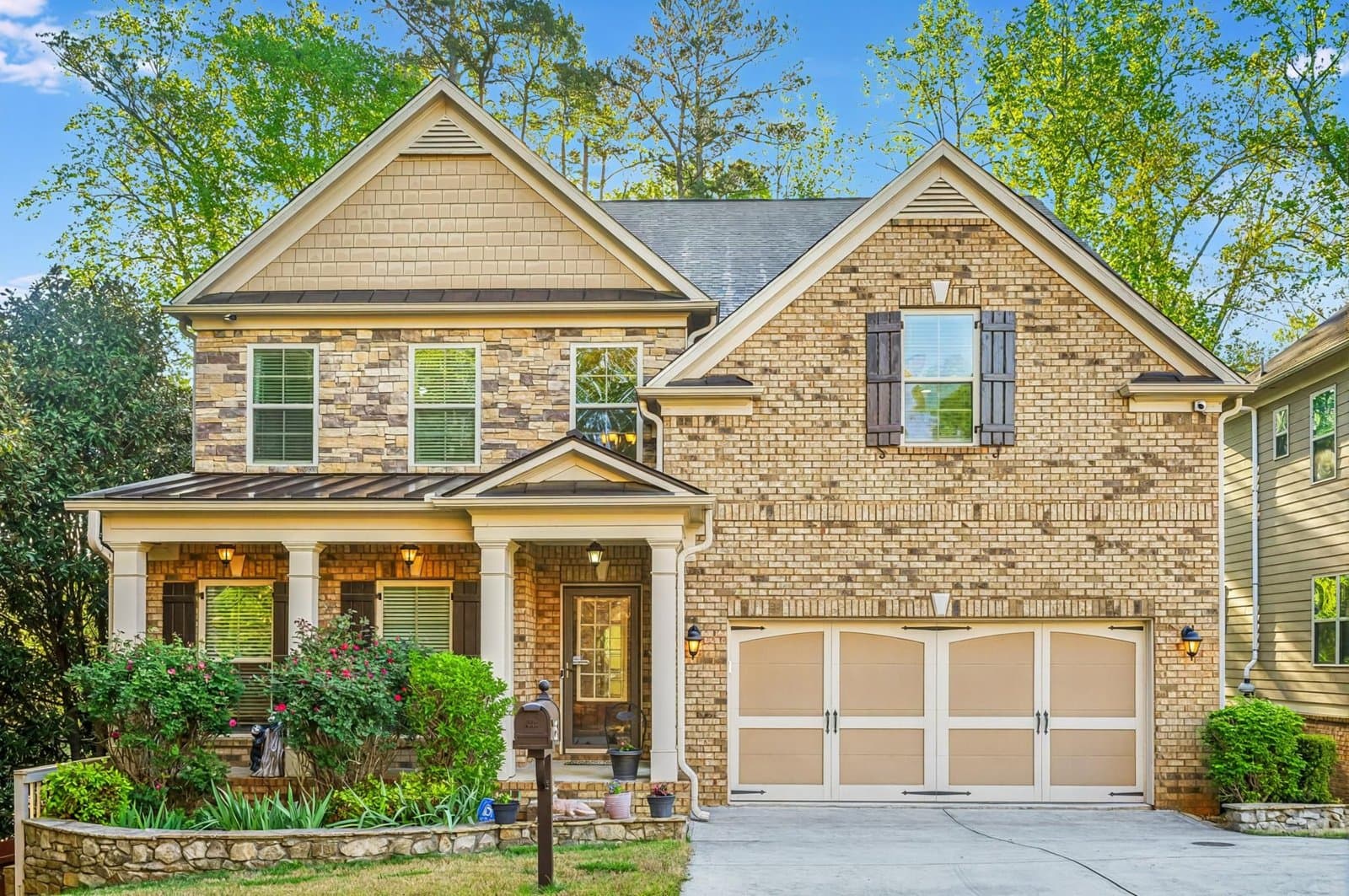
I got a call a few years back from a couple in Decatur. Sharp people. Both working, decent income, solid rental history. They'd found a lease-to-own home off Flat Shoals Road through a Facebook post: the owner seemed legit, the house looked good from the curb, and the monthly payment felt manageable. They were excited. They signed the agreement, moved in, paid an option fee of $8,000, and started making payments with the understanding that a portion would go toward their eventual purchase price.
Eighteen months later, they called me. Not to celebrate a closing. The seller had stopped making his mortgage payments. The home went into foreclosure. Their option fee? Gone. Their rent credits? Gone. The right to buy that home? Gone with it.
That's the story I tell when someone asks me about lease to own homes in Metro Atlanta. Not to scare them off, because done right, a lease-to-own arrangement can be a genuinely smart path to homeownership. But done wrong, it can cost you more than a bad mortgage ever would. So let me give you the real picture.
What Is a Lease to Own Home, and How Does It Actually Work?
Lease to own, also called rent to own or a lease-option, is a hybrid arrangement where you rent a property with the contractual right (or obligation, depending on the deal structure) to purchase it at a future date. There are two primary structures you'll encounter in Georgia:
Lease-Option Agreements
You pay an upfront option fee — typically 1% to 5% of the purchase price — in exchange for the right to buy the home at a set price within a specified window, usually 1 to 3 years. If you choose not to buy, you walk away. You lose the option fee, but you're not obligated to purchase. Monthly rent is often slightly above market, with a portion credited toward the future down payment or purchase price.
Lease-Purchase Agreements
This one has teeth. A lease-purchase binds you to buy the property at the end of the lease term. If you can't qualify for a mortgage when the time comes, you're in breach of contract. Georgia courts have enforced these agreements against buyers who simply couldn't get financing. That's a real legal and financial risk, and most buyers don't read the fine print closely enough to understand the difference between these two deal types until it's too late.
The bottom line: always know which structure you're signing before you hand over a single dollar.
Why Metro Atlanta Buyers Are Exploring Lease to Own Right Now
Let me be real with you about the market environment driving this conversation. The 30-year fixed mortgage rate is currently sitting at 6.55% as of July 16, 2026, according to Freddie Mac's Primary Mortgage Market Survey via FRED. That's not catastrophic, but it's not the 3% world buyers were living in a few years ago. Affordability has tightened, and the Atlanta home price index tells the story clearly.
The S&P CoreLogic Case-Shiller Atlanta Home Price Index came in at 249.8 (seasonally adjusted, January 2000 = 100) as of April 2026. Compare that to the national index at 332.68 for the same period, and you'll see Atlanta has actually appreciated more modestly than many other major metros. That's good news. But it still means prices are meaningfully higher than they were five years ago, and buyers who don't yet have the credit profile or down payment savings to qualify conventionally are looking for alternative pathways.
Lease to own fills that gap, in theory. It buys time to build credit, accumulate a down payment, and lock in a purchase price before the market moves further. In practice, whether it delivers on that promise depends entirely on how the deal is structured and who you're dealing with.
The Metro Atlanta Markets Where Lease-to-Own Deals Surface Most Often
Lease-to-own arrangements aren't evenly distributed across Metro Atlanta. They tend to cluster in specific submarkets: often areas where sellers are motivated, inventory has sat longer, or investor activity is high. Here's where I see these deals most frequently:
South Fulton and College Park
The area around Camp Creek Marketplace and along Old National Highway has seen a steady stream of lease-option listings, often from individual investors who acquired properties during the post-2008 wave and are now looking for exit strategies that generate income while they wait for the right buyer. Prices in this corridor are generally more accessible, which makes the option fee less painful, but due diligence is non-negotiable here.
Rockdale and Newton Counties
Conyers and Covington have become hotbeds for lease-to-own activity. Families priced out of closer-in Gwinnett are pushing east, and sellers who've held properties for years are open to creative deal structures. Covington in particular, with its growing film industry presence and downtown revitalization, has attracted buyers who see long-term upside and want to lock in a price now.
Douglas County — Douglasville and Villa Rica
These western suburbs have a healthy supply of lease-option properties, often through local property management companies or individual landlords. The I-20 corridor access and relatively affordable price points make this area attractive for buyers who work in West Atlanta or the airport corridor. Commute times to downtown Atlanta run about 35 to 45 minutes depending on where you're sitting on the 20.
Clayton County — Jonesboro and Riverdale
Clayton has some of the most affordable entry points in Metro Atlanta, and lease-to-own deals are common here. One caution: school ratings in parts of Clayton vary significantly, so if you have kids in the picture, do your homework on the specific school zones before you commit. GreatSchools ratings in this county range from 2 to 7 out of 10 depending on the district, and that matters for both your family and your eventual resale value.
Gwinnett County — Lawrenceville, Snellville, and Loganville
Gwinnett is the most populous county in Metro Atlanta, and lease-to-own activity here tends to be more formal — often through established property management companies or iBuyer-adjacent programs. Lawrenceville and Snellville offer good school districts (Gwinnett County Public Schools consistently rank among Georgia's best), which makes locking in a purchase price through a lease option genuinely valuable if you're planning to stay long-term.
What to Look For — and What to Watch Out For — in Any Lease-to-Own Agreement
I've been in construction for over 20 years. I've framed walls, poured footings, and run electrical. When I walk through a home, I see things most agents walk right past, because I've actually built them. That perspective matters in lease-to-own situations, because you're often dealing with properties that have deferred maintenance the seller doesn't want to address before putting them on the traditional market.
Get a Home Inspection Before You Sign Anything
Non-negotiable. I don't care how good the deal looks on paper. In a lease-to-own arrangement, you're often taking on maintenance responsibilities from day one, even before you own the property. A foundation issue in a Conyers ranch house, a failing HVAC in a Douglasville split-level, a roof that's got two years left on a Jonesboro colonial: these are your problems the moment you sign. Know what you're walking into.
Verify the Seller Actually Owns the Property Free and Clear
This is exactly what went wrong in that Decatur story I opened with. Pull the property's title history. Check for existing liens, second mortgages, or notices of default. In Georgia, you can access this through the county superior court clerk's office: it's public record. Or hire a real estate attorney to do a title search before you hand over an option fee. A few hundred dollars in legal fees can save you thousands.
Lock In the Purchase Price in Writing
The whole point of a lease-to-own is to secure a future purchase price today. If that price isn't clearly defined in the contract, with no wiggle room for the seller to renegotiate, the deal isn't worth the paper it's printed on. Get the number, get the date, and get it signed.
Understand What Happens to Your Rent Credits
Many lease-to-own agreements advertise that a portion of your monthly rent goes toward the purchase price. That sounds great. The question is: where does that credit actually live? Is it held in escrow? Is it just a verbal promise? If the seller walks away or the deal falls through, can you recover those credits? These are questions your attorney needs to answer before you sign.
Know Your Exit
Life changes. What happens if you need to leave before the option period ends? What if you can't qualify for a mortgage when the time comes? A well-drafted lease-option gives you a clear picture of what you forfeit and what, if anything, you can recover. A lease-purchase with no exit clause is a trap. Read it like one.
Lease to Own vs. Traditional Financing: An Honest Comparison
Here's the question I get asked most: is lease to own actually better than just saving up and buying traditionally? The honest answer is: it depends on your situation, and there's no universal right answer.
If your credit score is below 620 and you have minimal savings, a lease-option can give you a structured runway to fix both problems while living in the home you intend to buy. That's legitimate value. You're not just renting: you're building toward something specific.
If your credit is solid but you're just not ready to commit to a neighborhood, a lease-option can let you test-drive the location before you're locked in. I've seen buyers do this in Suwanee and Alpharetta, areas where the lifestyle and commute feel different on paper than they do when you're actually living them.
But if you're close to qualifying conventionally and you're looking at a lease-to-own primarily because the seller is pitching it hard, pump the brakes. With the 30-year fixed rate at 6.55% (Freddie Mac PMMS, July 16, 2026), a conventional mortgage might cost you less over time than inflated lease-option rent payments plus a locked-in purchase price that may not reflect future market conditions.
Run the numbers. Both sets of numbers. Side by side. Don't let the appeal of the arrangement substitute for the math.
The Legal Landscape: Georgia-Specific Rules You Need to Know
Georgia is a buyer-beware state in many respects, and lease-to-own agreements are largely governed by contract law rather than specific statutory protections. That means the terms you agree to are the terms you're bound by. There's limited regulatory backstop if things go sideways.
A few Georgia-specific points worth knowing:
- Georgia's Installment Land Contract Law — If a lease-to-own arrangement is structured in a way that looks more like an installment sale (the buyer takes possession and makes payments over time toward ownership), Georgia courts may treat it differently than a standard lease. This has implications for eviction vs. foreclosure proceedings if the buyer defaults.
- Option fees are generally non-refundable: Georgia courts have consistently upheld the non-refundable nature of option fees when clearly stated in the contract. Don't pay more than you can afford to lose.
- Recording the option agreement: You can record your lease-option agreement with the county superior court clerk's office. Doing so gives you a public record of your interest in the property, which provides some protection against the seller transferring or encumbering the property without your knowledge.
- Get a real estate attorney: I can't stress this enough. Georgia has excellent real estate attorneys who will review a lease-to-own agreement for $300 to $500. That's cheap insurance.
Frequently Asked Questions About Lease to Own Homes in Metro Atlanta
How much is a typical option fee for a lease-to-own home in Metro Atlanta?
Option fees in Metro Atlanta typically run between 1% and 5% of the agreed purchase price. On a $250,000 home, that's $2,500 to $12,500 upfront. The fee is generally non-refundable if you don't exercise the option to buy, so treat it like a deposit you might not see again.
Can I use a real estate agent to find lease-to-own homes in Atlanta?
Yes, and you should. A good buyer's agent can identify properties where sellers are open to lease-option arrangements, even if those homes aren't listed that way publicly. Motivated sellers, estate sales, and long-tenured landlords are often open to creative structures when asked the right way. An agent also adds a layer of accountability to the transaction that protects you.
What credit score do I need to eventually buy the home?
To qualify for a conventional loan, most lenders want a minimum 620 score, though 680 and above gets you meaningfully better terms. FHA loans allow scores as low as 580 with 3.5% down. The point of the lease period is to give you time to hit those benchmarks, but you need a plan, not just a hope. Work with a mortgage lender from day one of your lease period, not month 23.
What happens if the seller sells the property during my lease period?
If your option agreement is properly recorded with the county, a subsequent buyer takes the property subject to your option. If it's not recorded, you may have limited recourse. This is one of the most overlooked risks in lease-to-own deals and one of the strongest arguments for recording your agreement immediately after signing.
Are lease-to-own homes in Metro Atlanta a good deal in 2026?
They can be, for the right buyer in the right situation. With the Atlanta home price index at 249.8 (S&P CoreLogic Case-Shiller, April 2026) and mortgage rates at 6.55% (Freddie Mac, July 2026), buyers who need time to build credit or savings have a real case for using a lease-option as a bridge. The key is structuring the deal properly and working with professionals who know what they're doing.
The Bottom Line: Lease to Own Can Work — If You Work It Right
Lease to own homes in Metro Atlanta aren't a shortcut. They're a tool. Like any tool, they can build something solid in the right hands or cause serious damage when misused. The families who win with these arrangements are the ones who go in educated, get proper legal review, do their due diligence on the property and the seller, and treat the lease period as a deliberate sprint toward mortgage qualification, not a comfortable indefinite rental.
The families who lose are the ones who get excited about a Facebook listing, hand over an option fee without a title search, and find out 18 months later that the seller had a second mortgage nobody mentioned.
I've seen both outcomes. I know which one I want for you.
If you're exploring lease-to-own options anywhere in Metro Atlanta (whether that's Gwinnett, Douglas, Rockdale, Clayton, or anywhere else in the region) and you want a straight conversation about whether it makes sense for your situation, reach out. No pitch, no pressure. Just real talk from someone who's been in this market for over 20 years and has the construction background to see what others miss.
Evan Beckett | becketthomes.org
If you want to talk through this, I'm around.
Thinking about a move?
Beckett Real Estate works the whole of Metro Atlanta. Tell me the address or the neighborhood and I will tell you what the house is really like, what the inspection usually finds, and what the number should be.
See lease-to-purchase optionsSearch homes for saleTalk to an agent nowMore articles like this